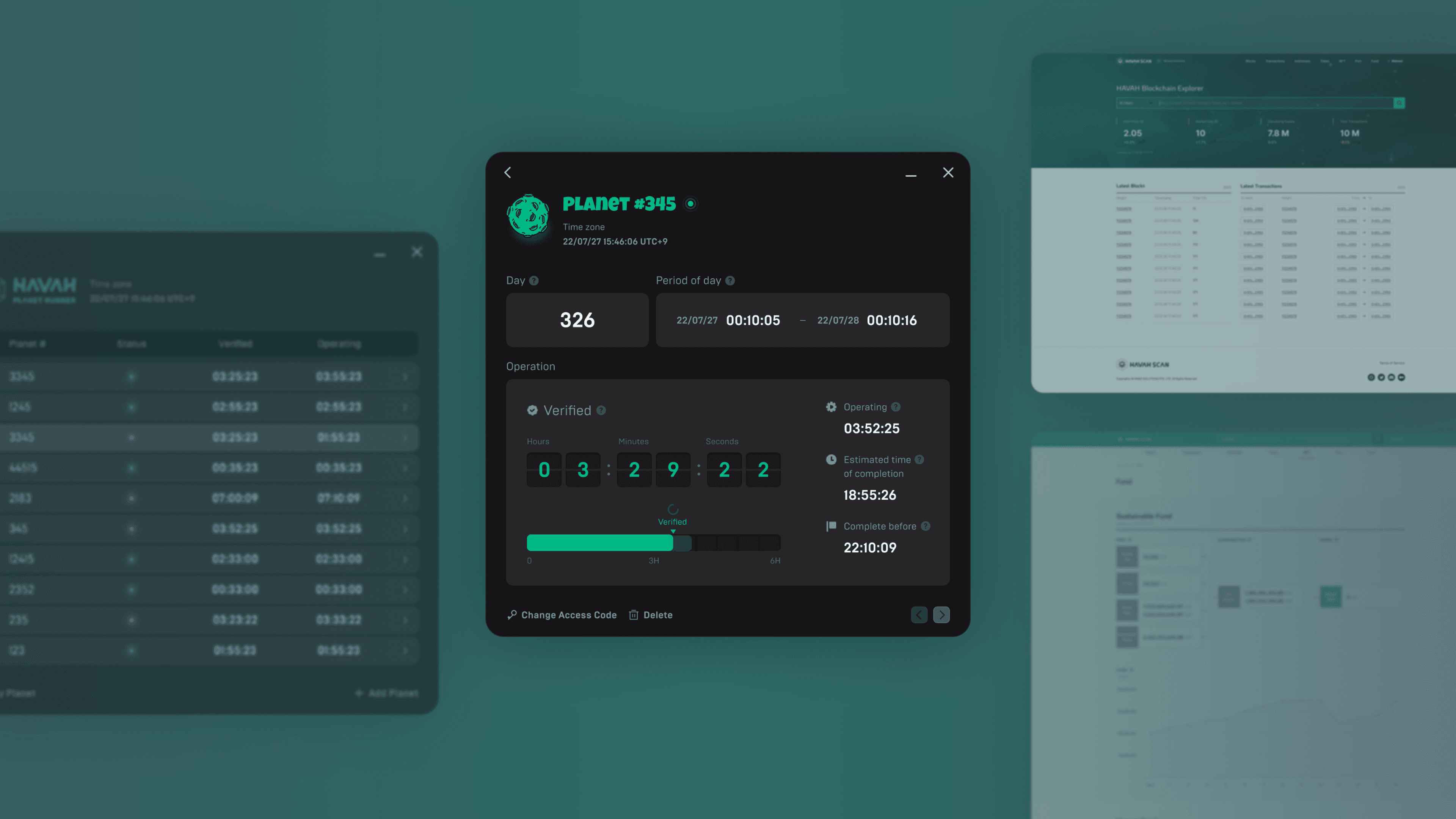
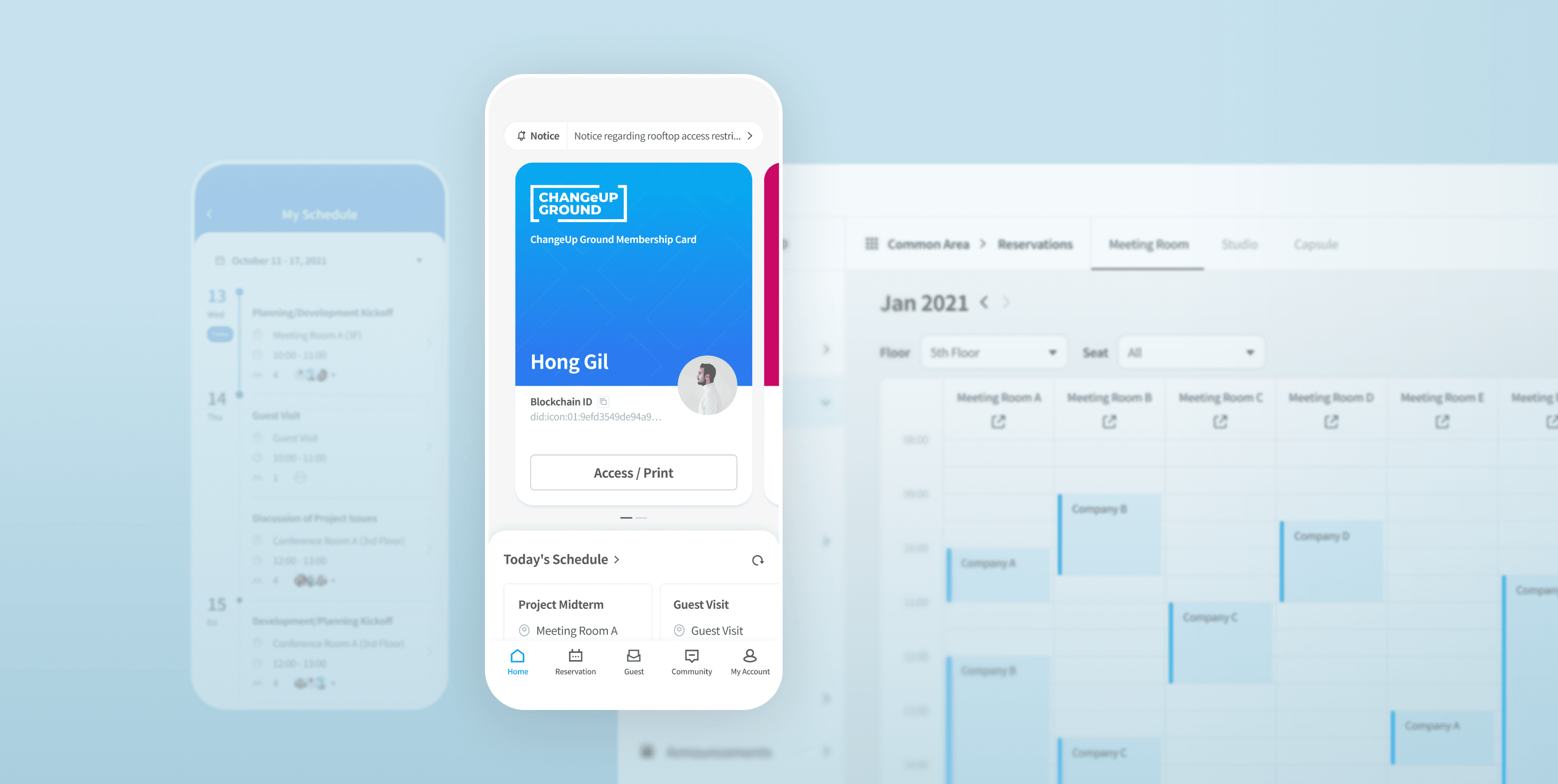
Led end-to-end UX as a solo Product Designer, reducing AI content creation drop-off by 30% and increasing user satisfaction by 78%.
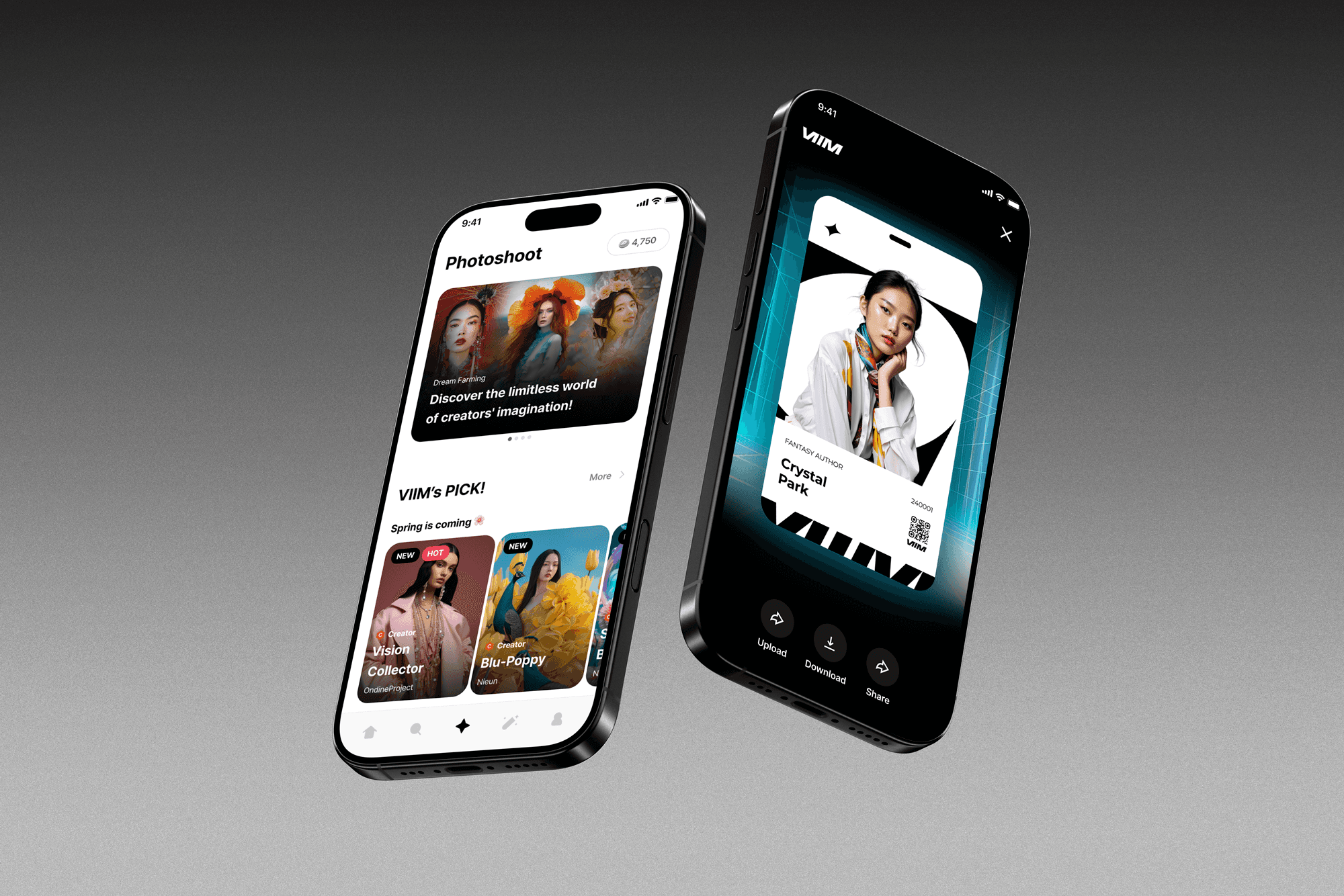
VIIM was an early-stage generative AI fashion platform for creators.
Through early user interviews and usability testing, I identified that creators struggled to turn AI-generated ideas into shareable, high-quality outputs, which resulted in significant drop-off during the content creation process.
Duration
March 2023 - April 2024
Role
Product Designer
(End-to-end ownership across UX, design systems, user research, and visual identity)
Contribution
Owned end-to-end product design for an early-stage generative AI fashion platform, from problem definition to launch as the sole Product Designer.
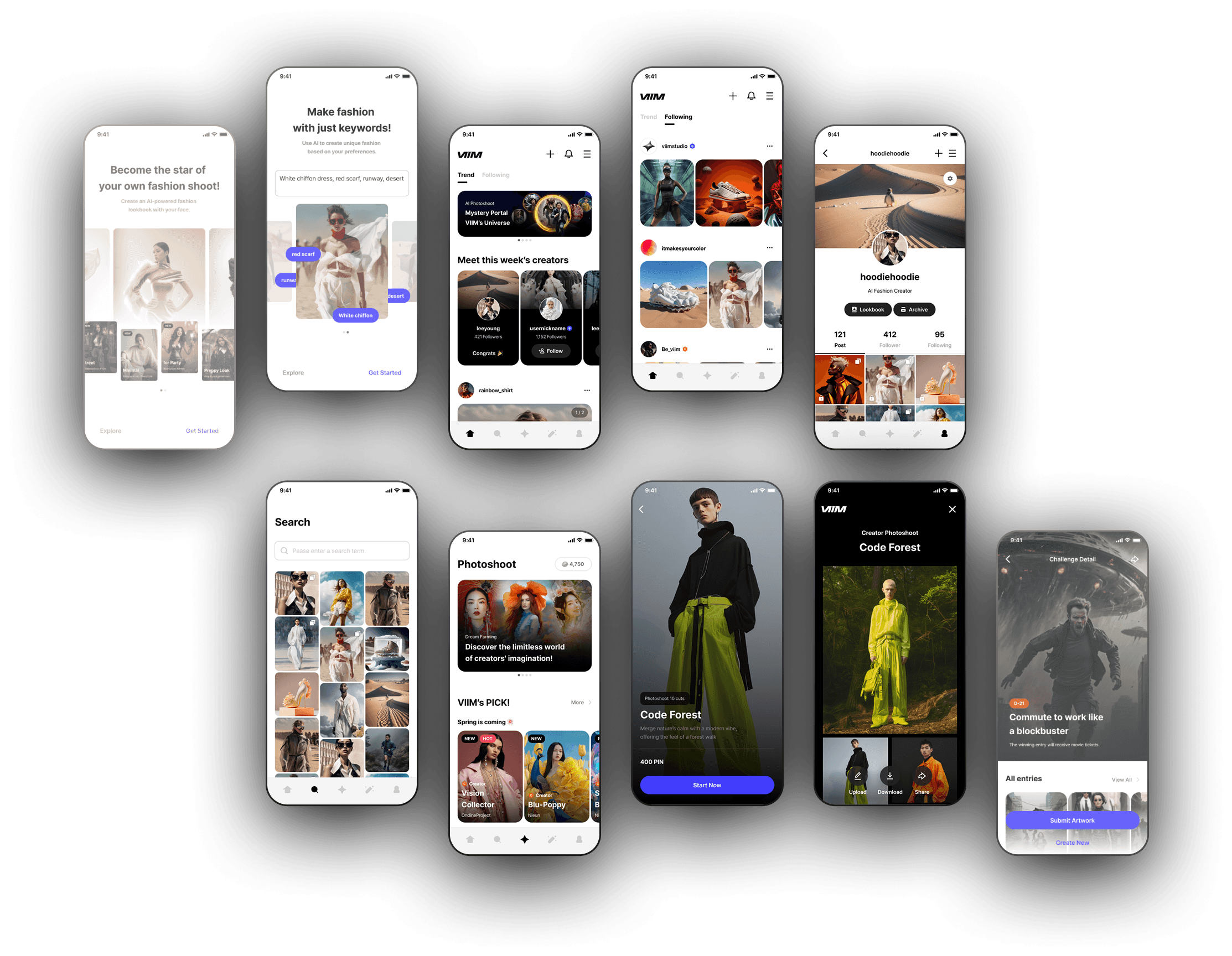
Designed the entire AI creator flow from onboarding to publishing, focusing on reducing cognitive load and supporting iterative creation.
Built and scaled a modular design system to enable rapid experimentation, consistent UX, and future feature expansion.
Planned and conducted iterative user testing and interviews to validate assumptions and inform product decisions throughout development.
Defined the visual language and product identity across the platform, ensuring consistency across core flows and community-facing surfaces.
Team & Collaboration
CEO (1)
Business Manager (1)
Product Owner (1)
Project Manager (1)
Front-end Developers (2)
Back-end Engineers (2)
Product Designer (1)
Belong
Viceversa Inc.
Overview
VIIM is a generative AI fashion community platform where Gen Z creators express digital identity and turn virtual styles into real-world products.
Despite strong interest in digital fashion, many users struggled to move beyond raw AI-generated ideas, not because of lack of creativity, but due to unclear refinement paths and weak social reinforcement.
Problem
Users were eager to express their digital personas, but lacked clear ways to refine AI-generated fashion into polished, shareable outcomes. The system treated creation as a one-off output, rather than a guided, evolving journey.
This friction disrupted the creator journey and weakened the connection between digital expression, community engagement, and real-world value.
Goal
Empower Gen Z creators to seamlessly express their digital identity through AI-generated fashion, and confidently carry that expression into the physical world.
Design-wise, the goal was to turn AI generation into a guided, socially reinforced creation journey.
User Research & Insight
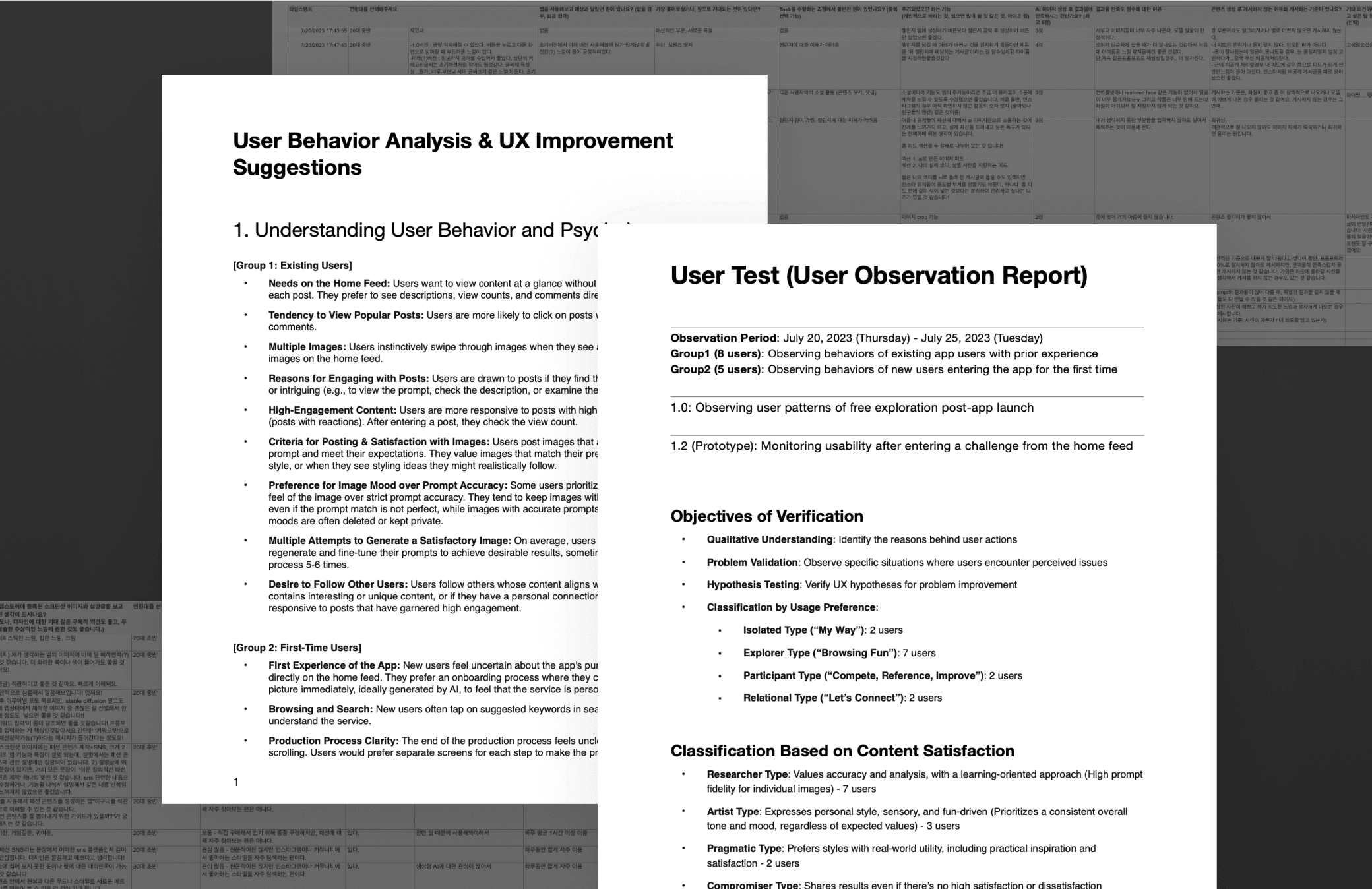
After launching an early MVP, I conducted surveys, interviews, and observational studies to understand how both first-time and returning users actually experienced the creation flow.
Methods used
In-product user surveys (segmented: first-time vs. returning users)
Observational flow analysis on the live MVP
Usability testing on iterative prototypes informed by MVP behavior
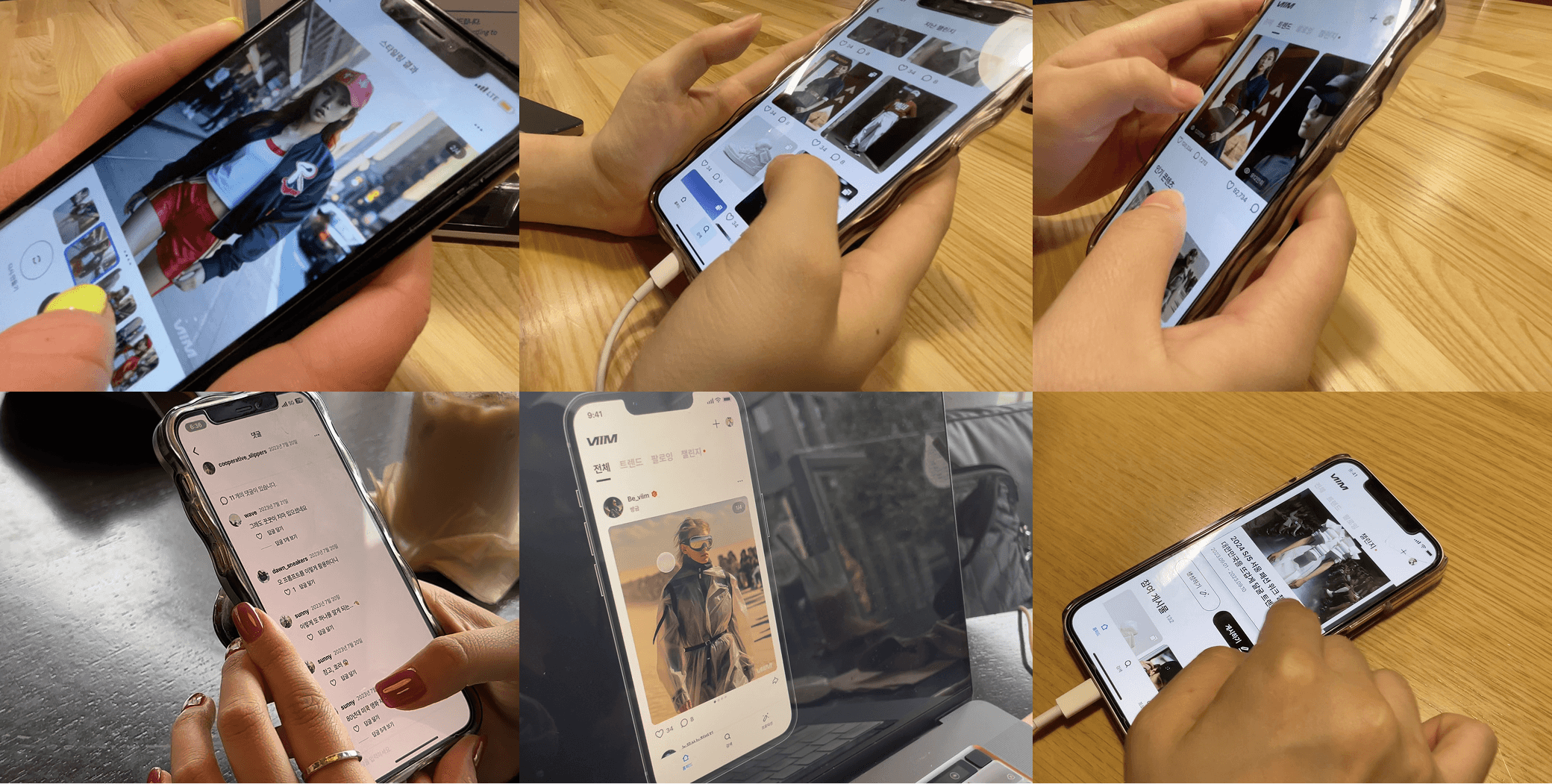
First-time user hesitating at prompt input
Returning user browsing shared creations before creating
Key Insights
Creation felt intimidating for first-time users
Many first-time users paused for extended periods at the prompt input stage, often scrolling back or exiting without generating.Creation was motivated by community feedback, not isolation
Returning users frequently browsed others’ creations before starting their own, often saving or reacting to content as inspiration.
These insights directly informed the key assumptions and design principles that guided the evolution of the creator experience.
Design Strategy
Based on these assumptions, I defined three design principles to transform AI-generated ideas into meaningful, shareable, and extensible creator experiences.
Design Principles
01
Reduce cognitive load
Embed guidance directly into the creation flow, making refinement feel like a natural next step rather than a separate task.
02
Enable continuous creation
Frame creation as a socially connected loop where creating, sharing, and discovering reinforce one another.
03
Support identity expression
Design for identity expression, not just content generation.
From strategy to experience
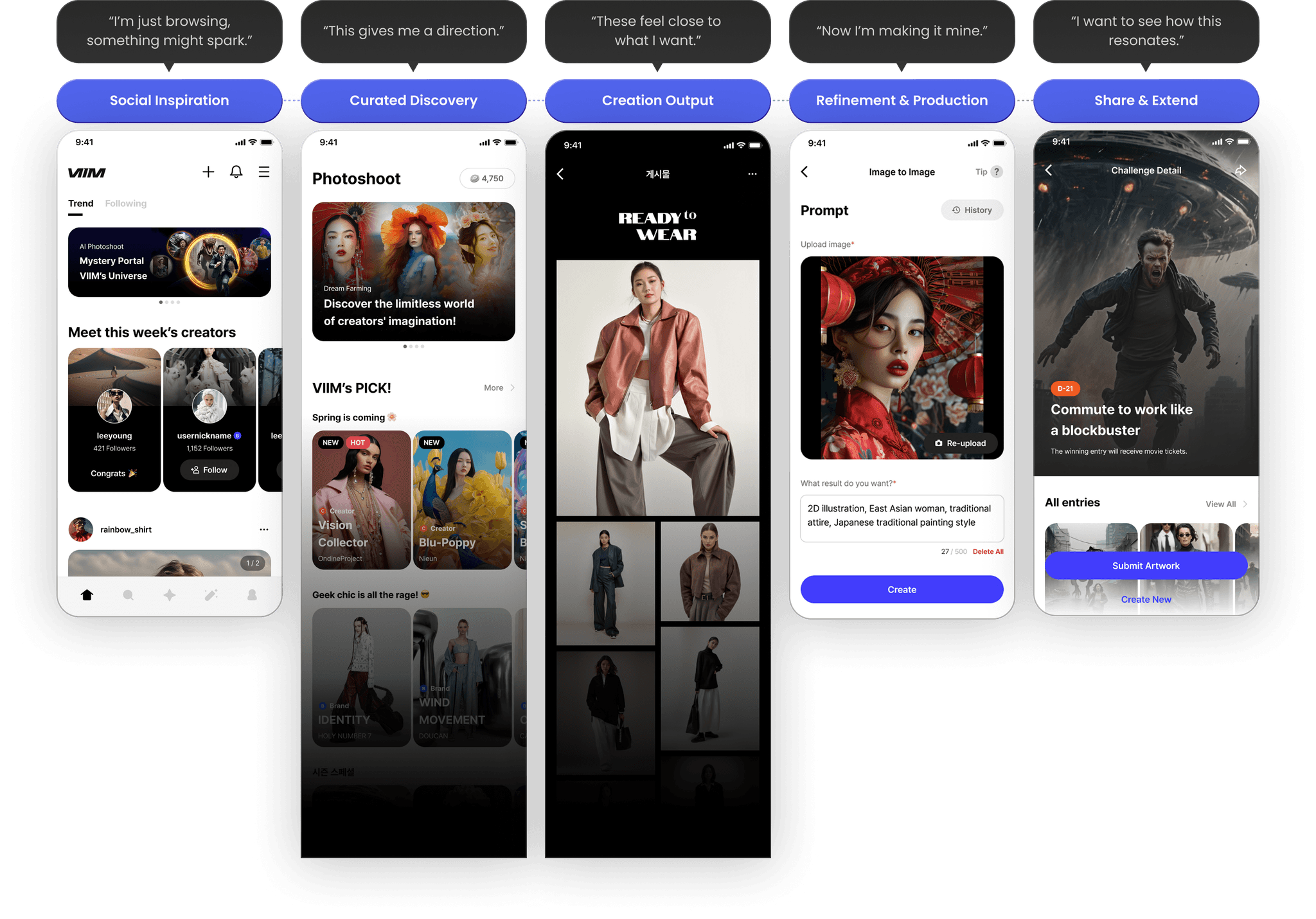
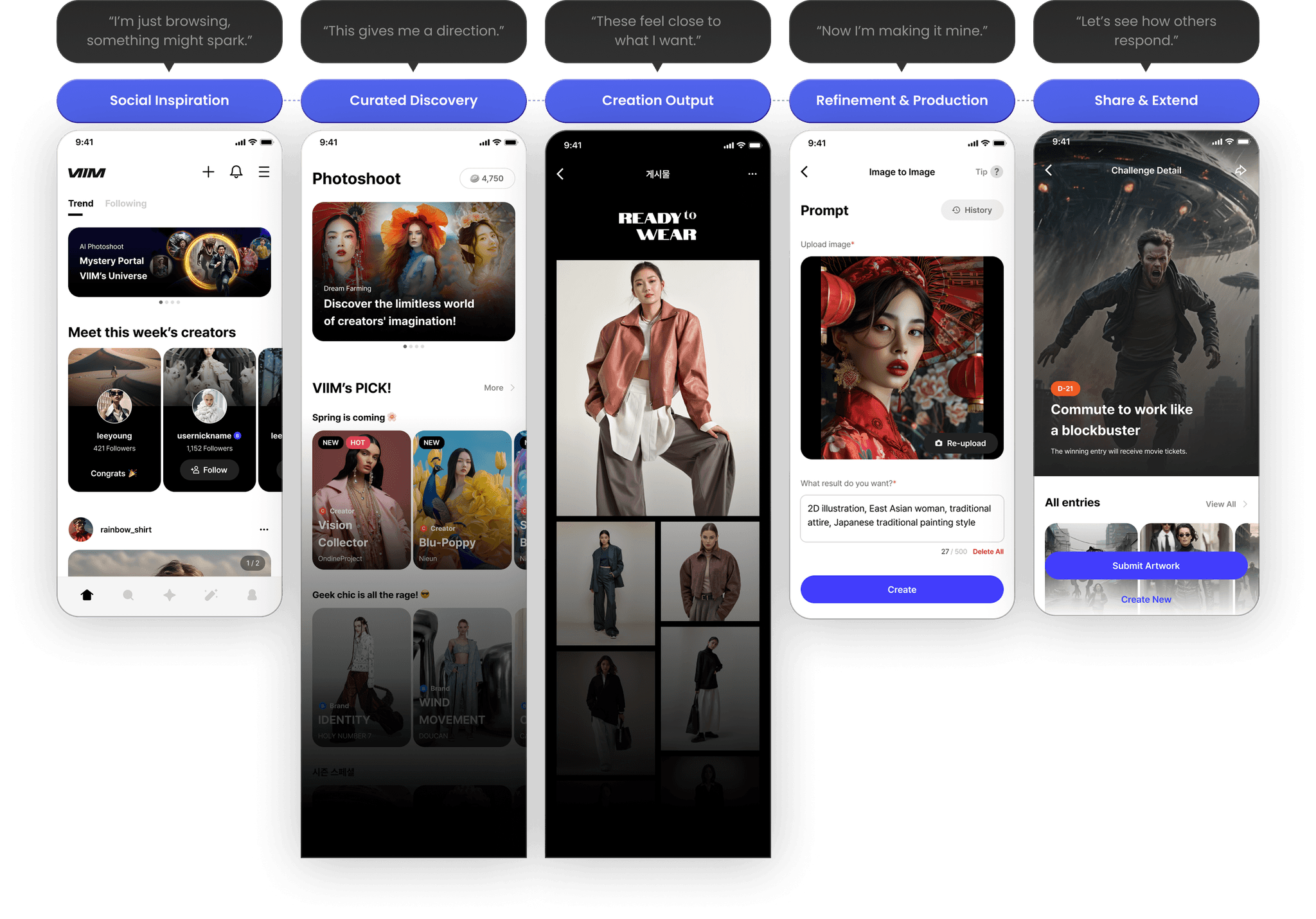
Design Principle 1
Reduce cognitive load
AI prompt input created hesitation and early drop-off, especially for first-time users facing an empty starting state.
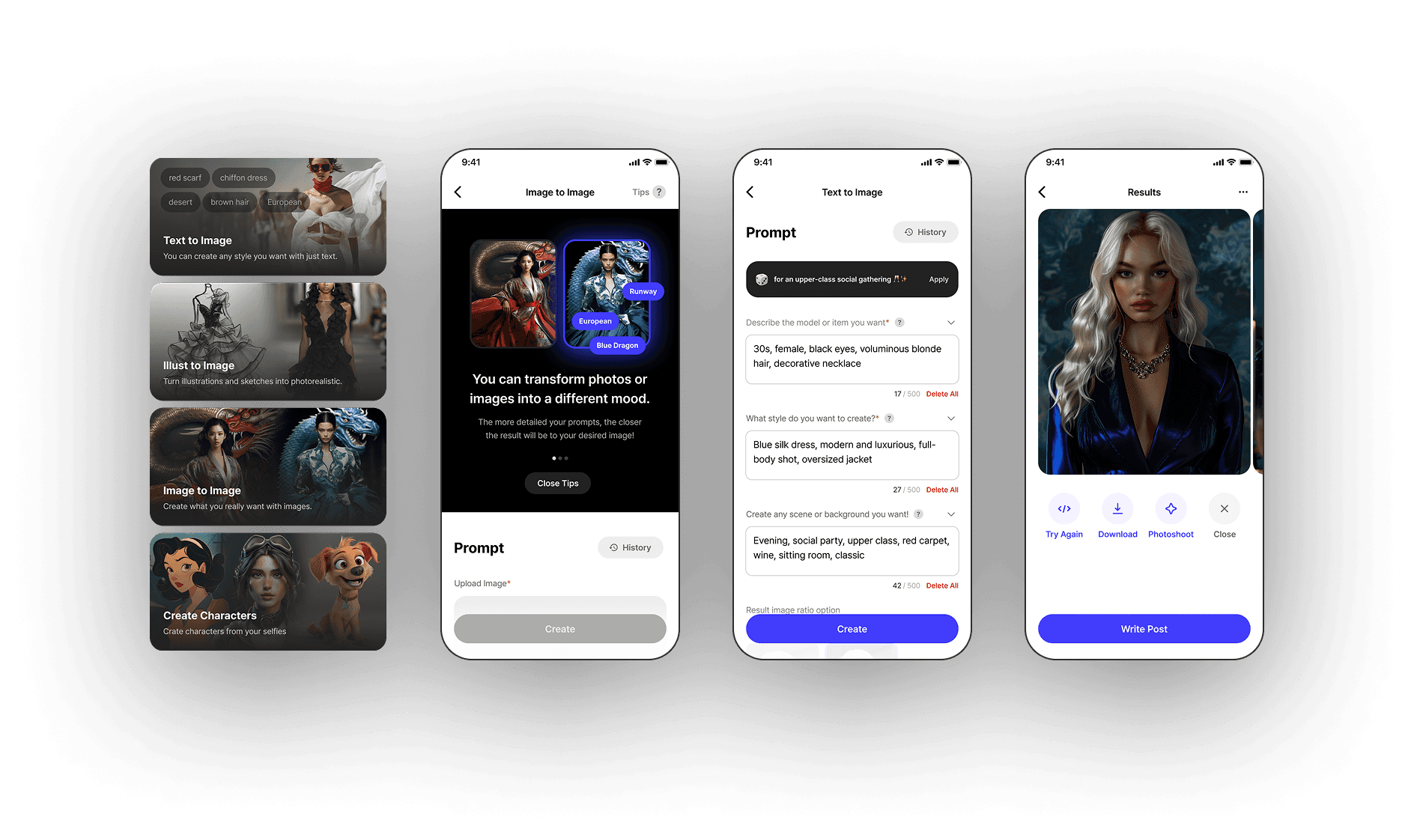
Inspiration Suggestions & Seamless Onboarding
Instead of asking users to write prompts from scratch, we shifted the entry point to inspiration-based selection.
Execution
Randomized creative prompt suggestions
One-tap “Apply” interaction
Immediate visual feedback to reinforce momentum
Impact
Users moved from passive browsing to active experimentation
Creation evolved into a repeatable refinement loop, especially for first-time users
Design Principle 2
Enable continuous creation
Our initial feature, AI-generated fashion images, attracted users, but many would try it once and never return. Retention was a critical issue, especially since generative AI was still new, and similar apps faded quickly due to a lack of engagement.
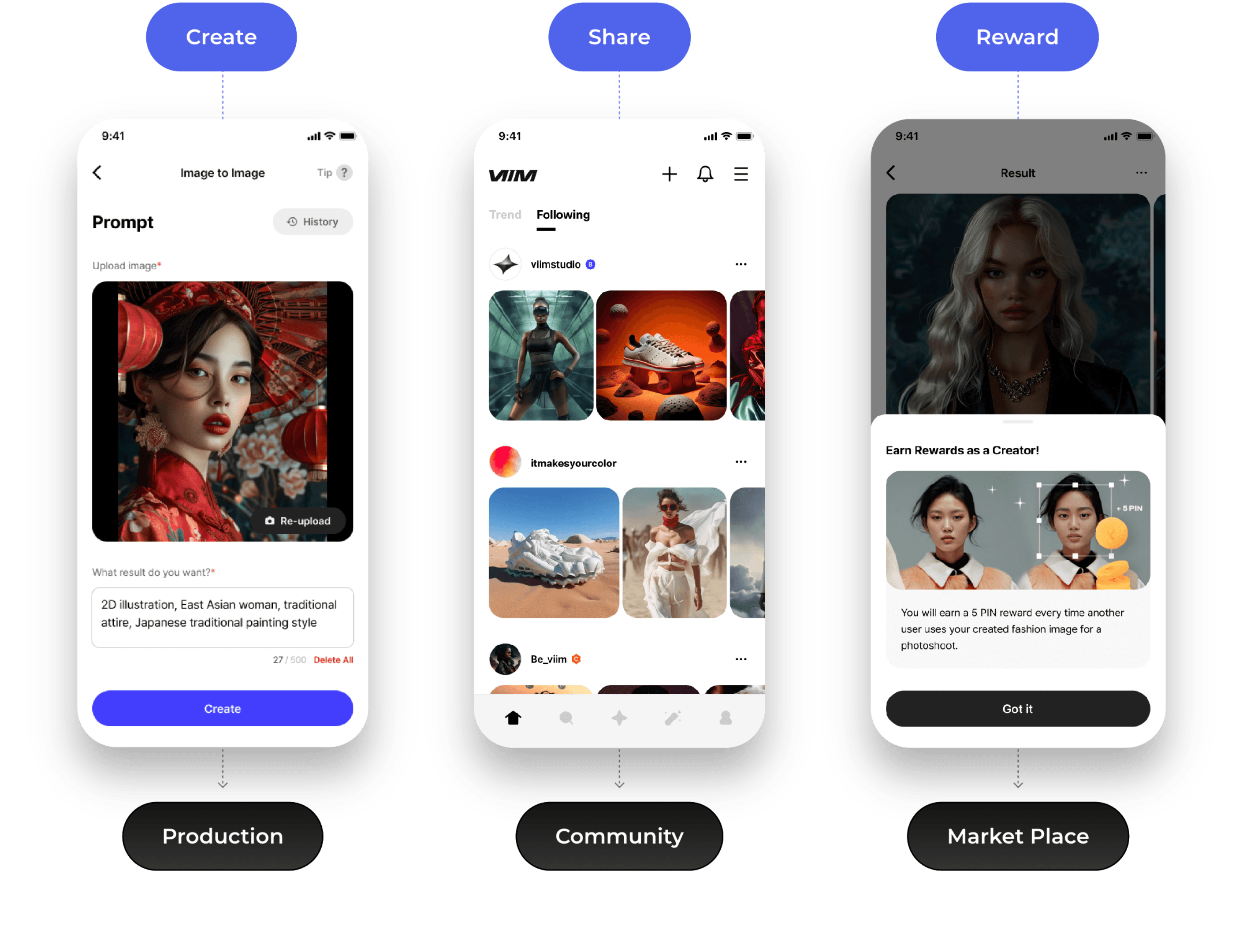
Creating a Playground & Marketplace
To encourage continued engagement, we positioned VIIM as both a fashion playground and a marketplace. Instead of a one-time experience, we built an ecosystem where users could interact with others’ creations, share, sell, and compete, fostering a sense of community and ongoing participation.
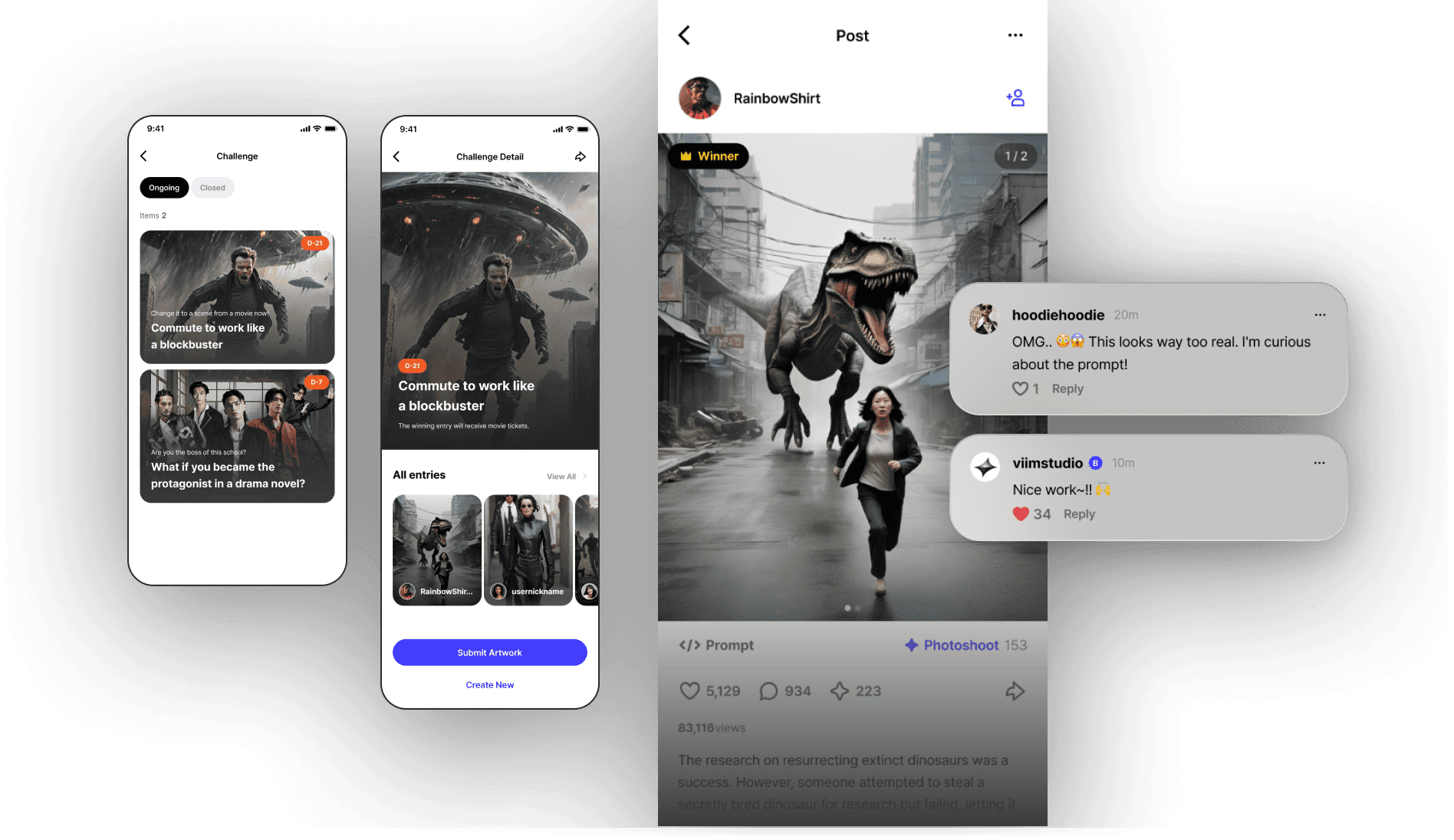
Challenge
A playground for collaboration, where users can create themed fashion content for marketing and communities. It also encourages brand promotion and the building of fan communities.
Design Principle 3
Support identity expression
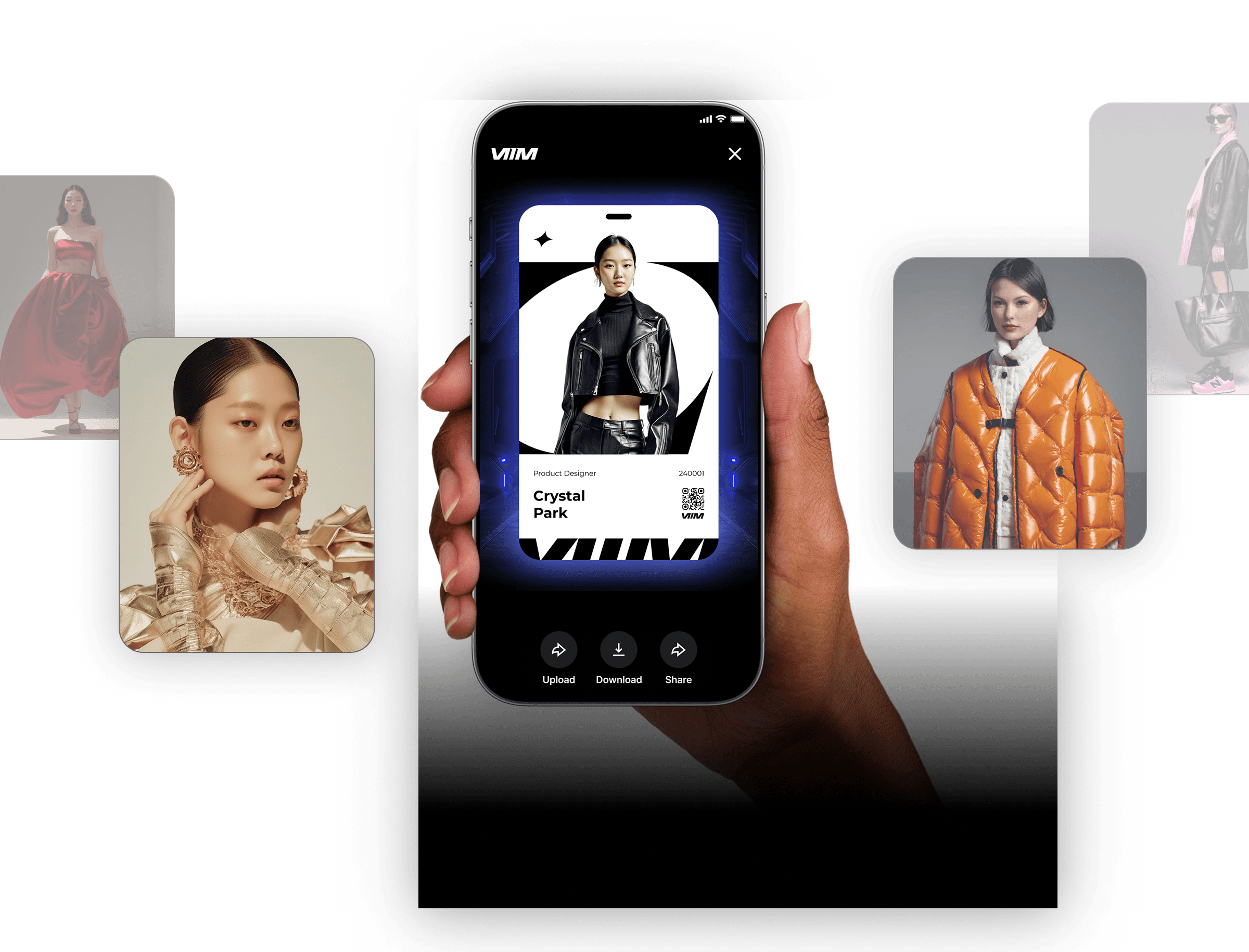
We introduced a photoshoot feature in collaboration with real fashion brands, allowing users to create high-quality, editorial-style images with just one selfie. To make AI-generated fashion more practical, we also explored ways for users to turn their AI designs into real, purchasable products.
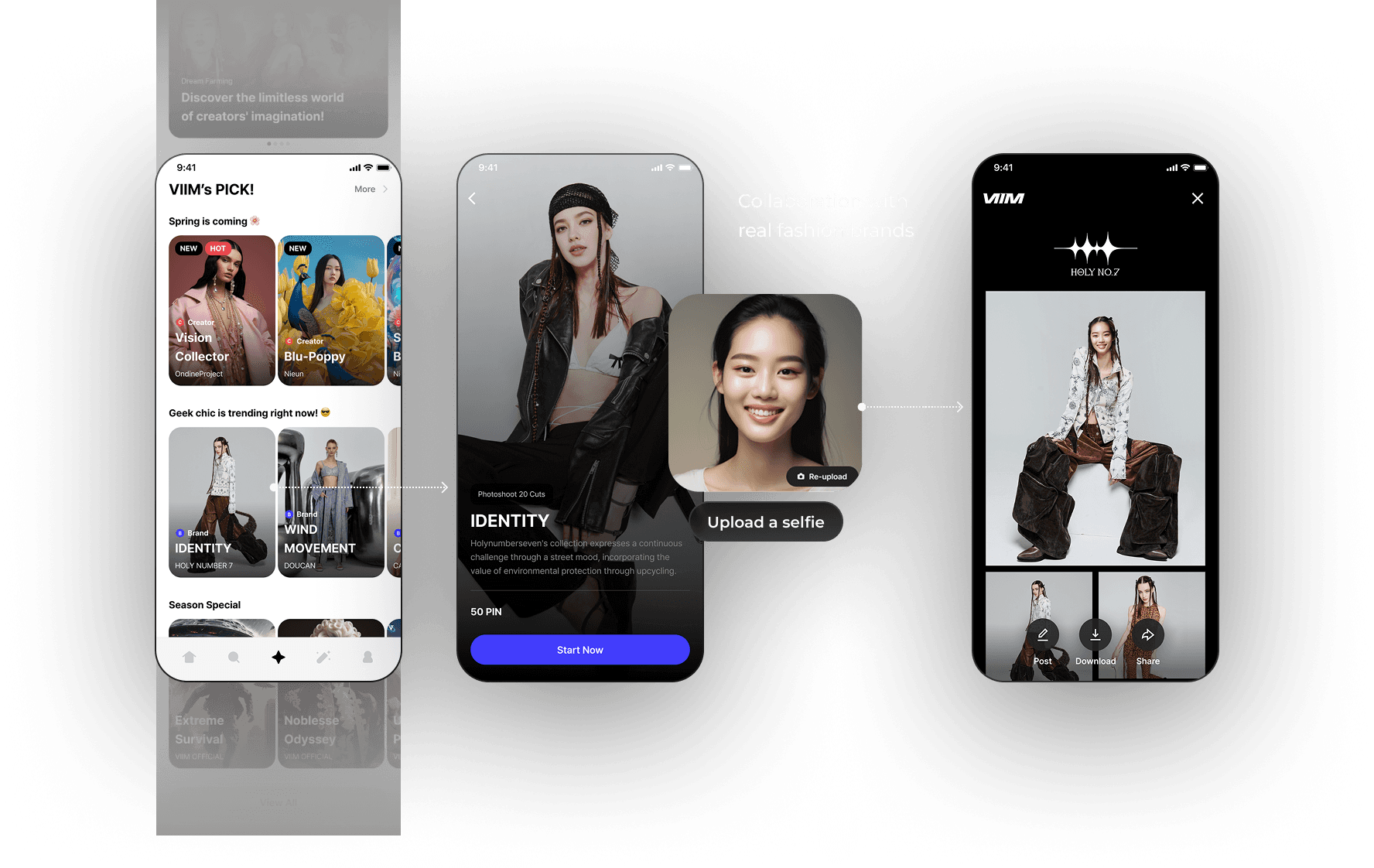
Photoshoot Experience & Real-World Integration
Additionally, I designed flash effects during processing time to mimic a professional studio photoshoot, making the experience more immersive.
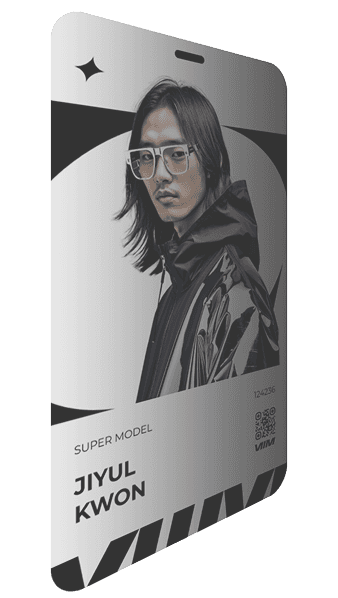
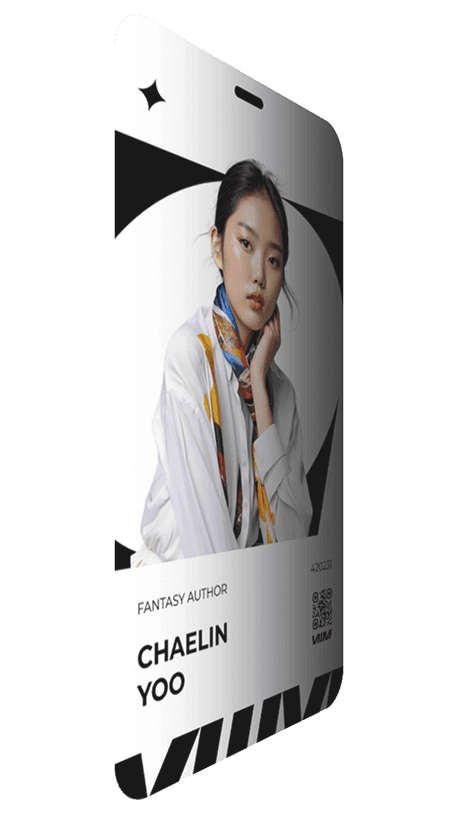
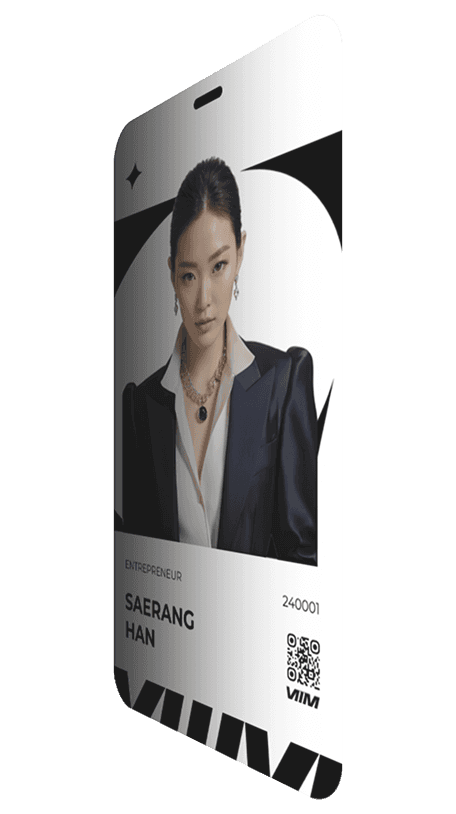
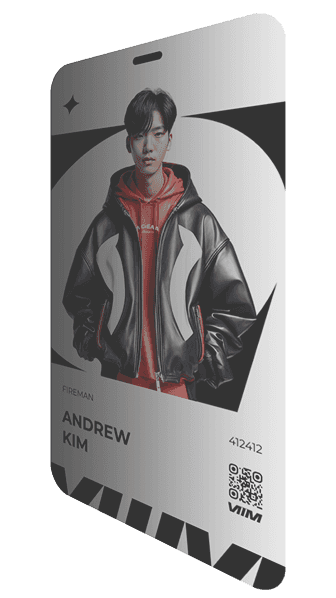
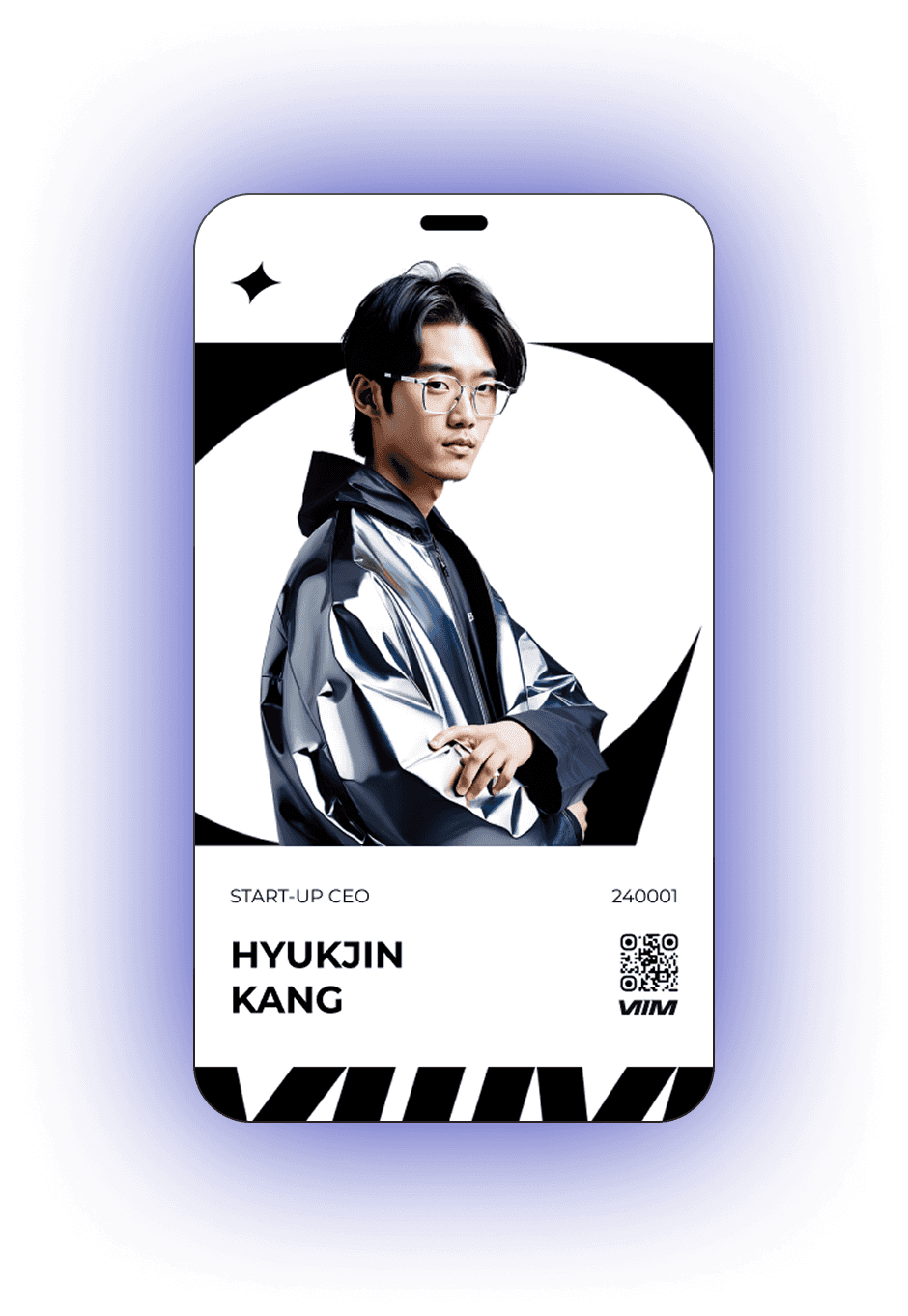
A Welcome Photoshoot that Expresses Me
Also designed the Welcome Photoshoot Card, a personalized onboarding experience that lowered the entry barrier to generative AI. This feature helped users feel like the experience started with ‘me’, making it more inviting and relevant.
Impact
01
Reduced entry friction & early drop-off
By replacing blank prompt entry with inspiration-based selection, first-time users were able to begin creating without needing to “know what to write.”
Replaced blank prompt entry with onboarding inspirations.
First-time users started creation without hesitation.
Early creation drop-off decreased by ~30%. (based on qualitative user observation)
02
Shifted creation into a repeatable loop
Embedding refinement directly into the creation flow encouraged users to iterate, rather than stopping after a single AI-generated result.
Embedded refinement into the UI flow.
Users iterated and regenerated more often.
Overall user satisfaction improved from ~50% to ~78% (+28pp) (Measured via in-app survey after key flow completion)
03
Strengthened social & real-world relevance
Connecting creation with sharing and community feedback strengthened the meaning of AI-generated fashion as identity expression.
Shared content became a key driver for retention and inspiration.
Returning users browsed before creating their own.
The product expanded beyond South Korea, attracting early organic users from the U.S., Nigeria, and India.
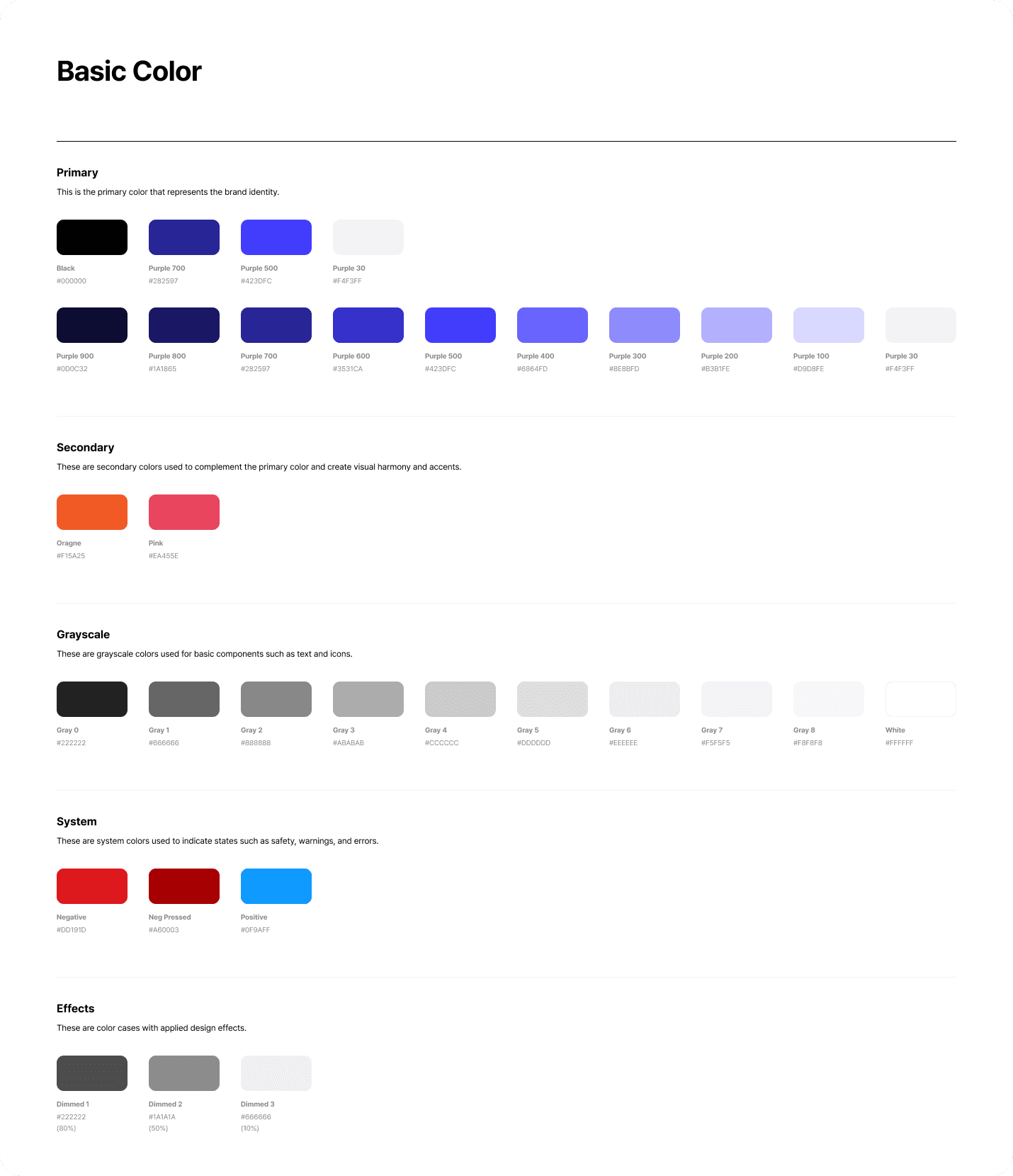
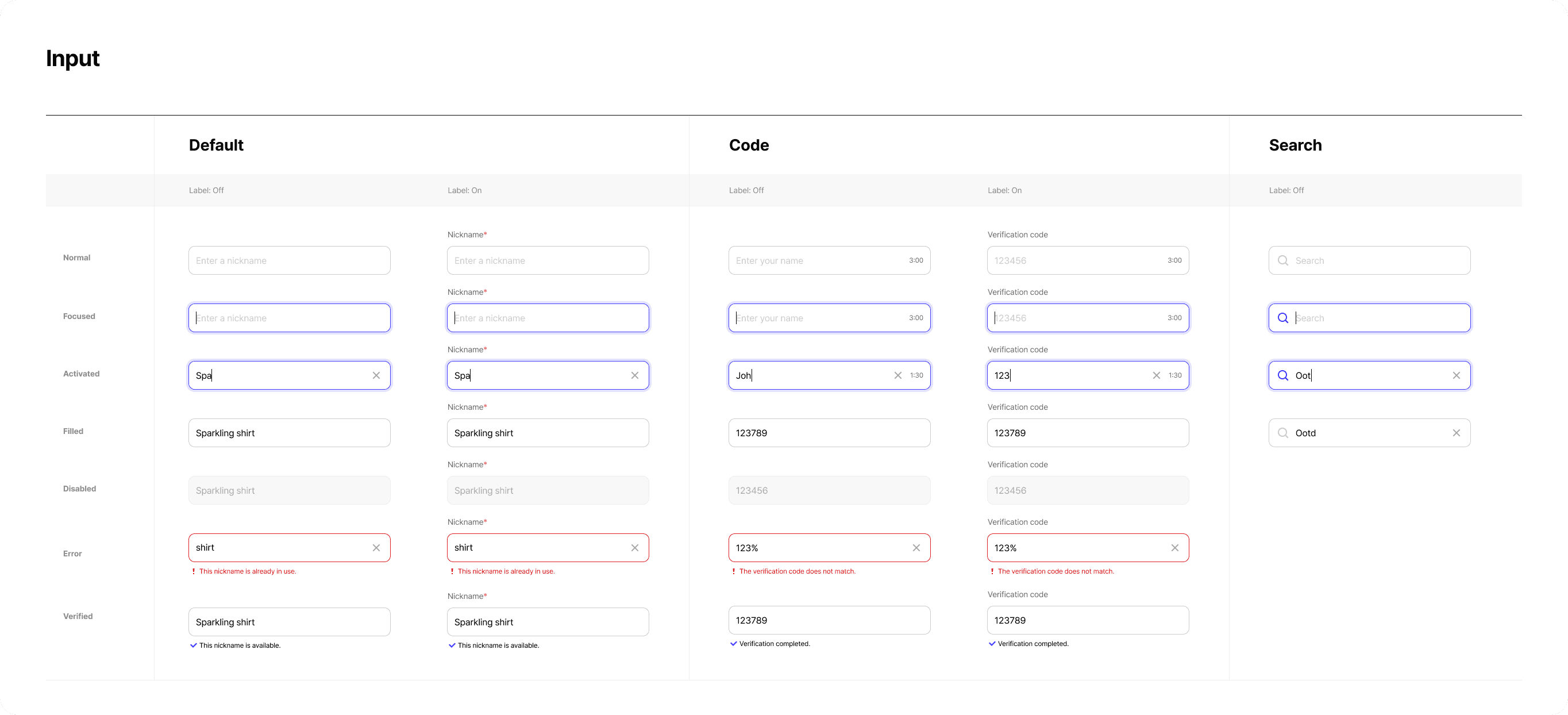
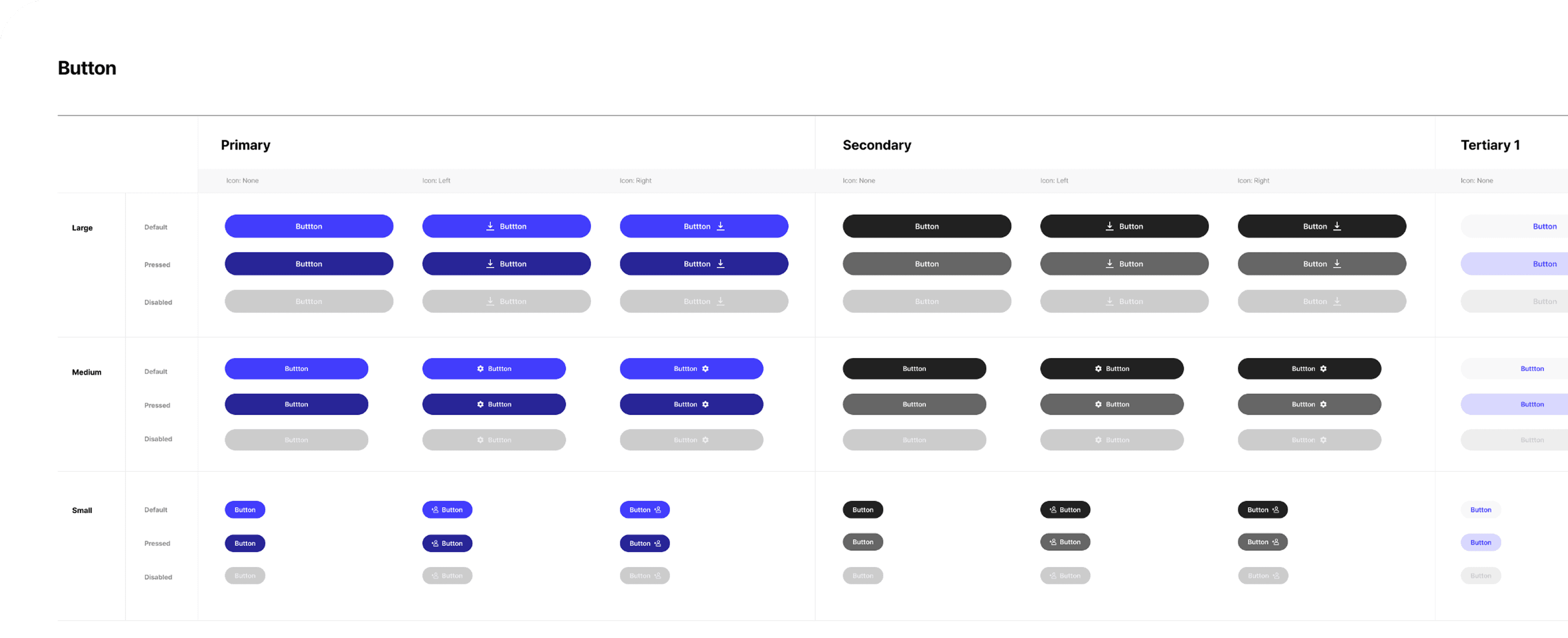
Built a Design System from 0 to 1
Design System 1
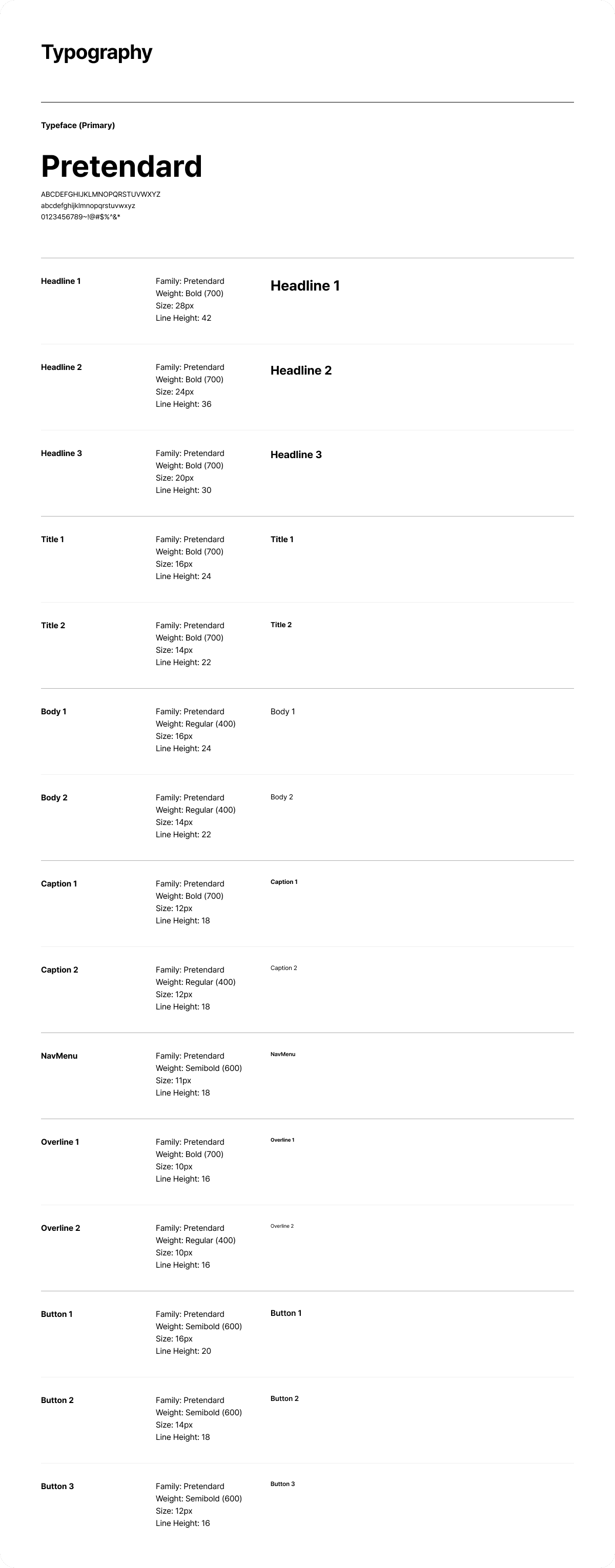
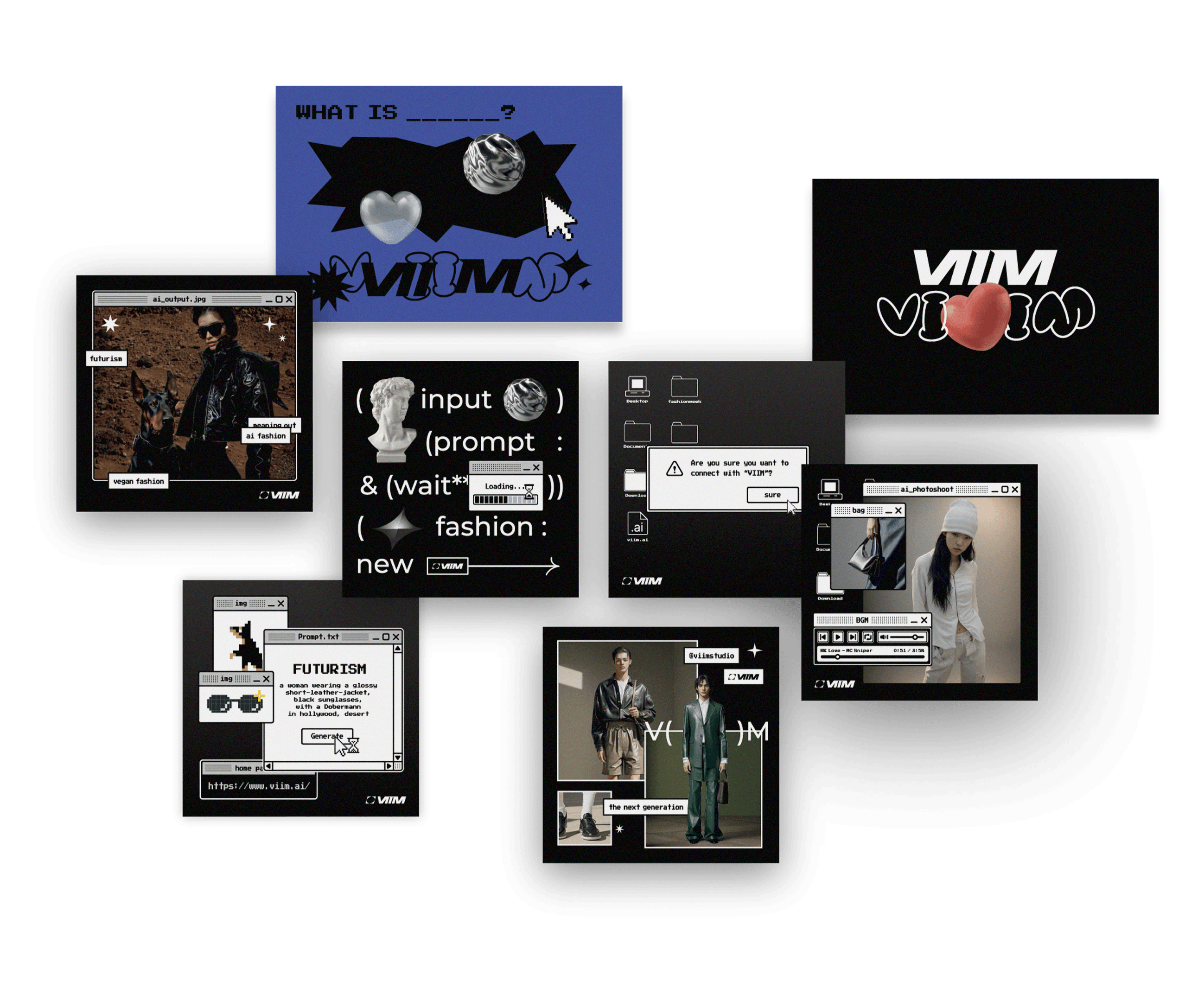
Visual Language & Component System
The design system became the foundation that enabled the product to evolve rapidly while maintaining UX consistency across ongoing experiments.
Design System 2
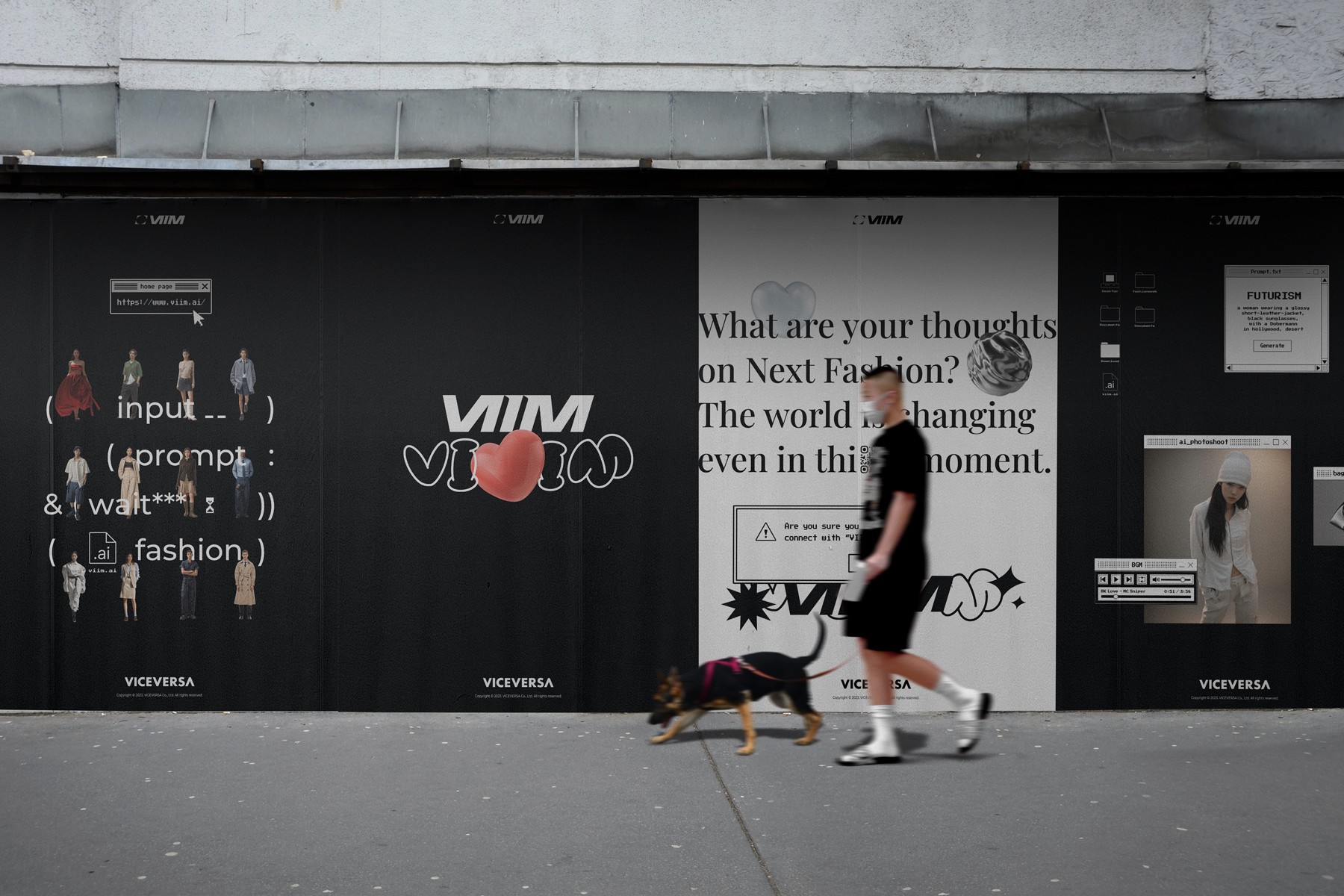
Logo & Brand Identity
VIIM's logo identity represents "the possibility of becoming anything in emptiness, a connection to new worlds, and limitless expansion."
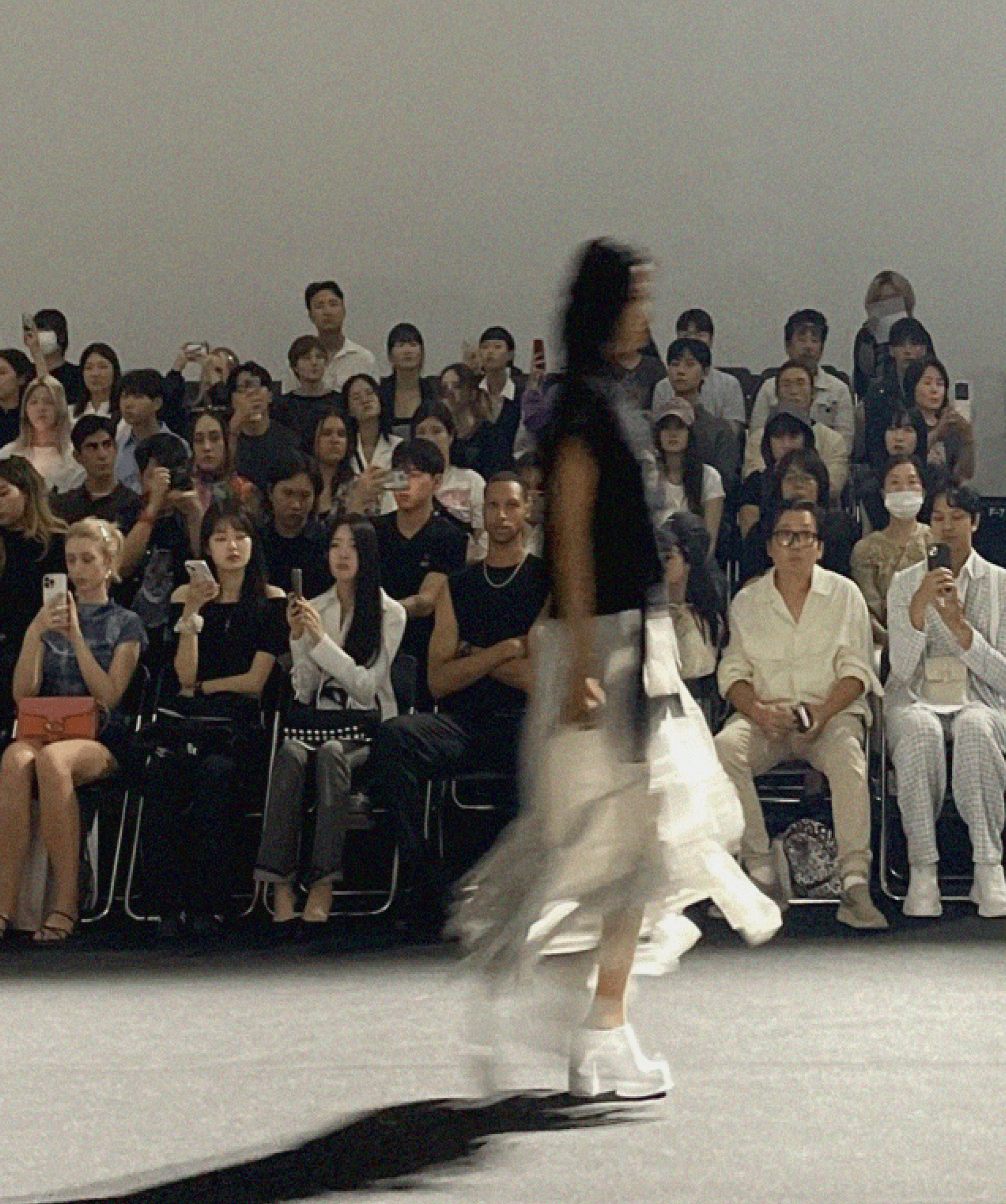
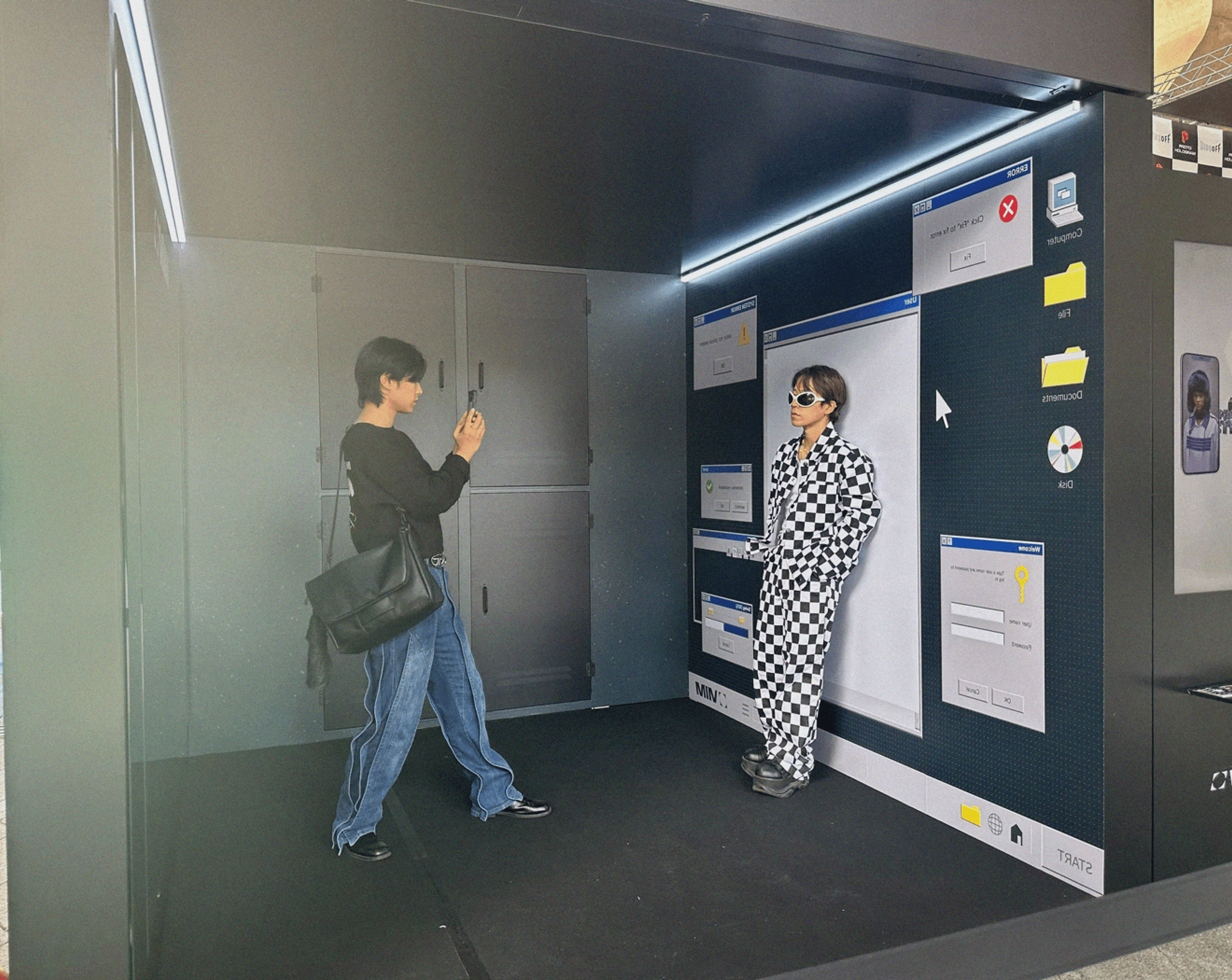
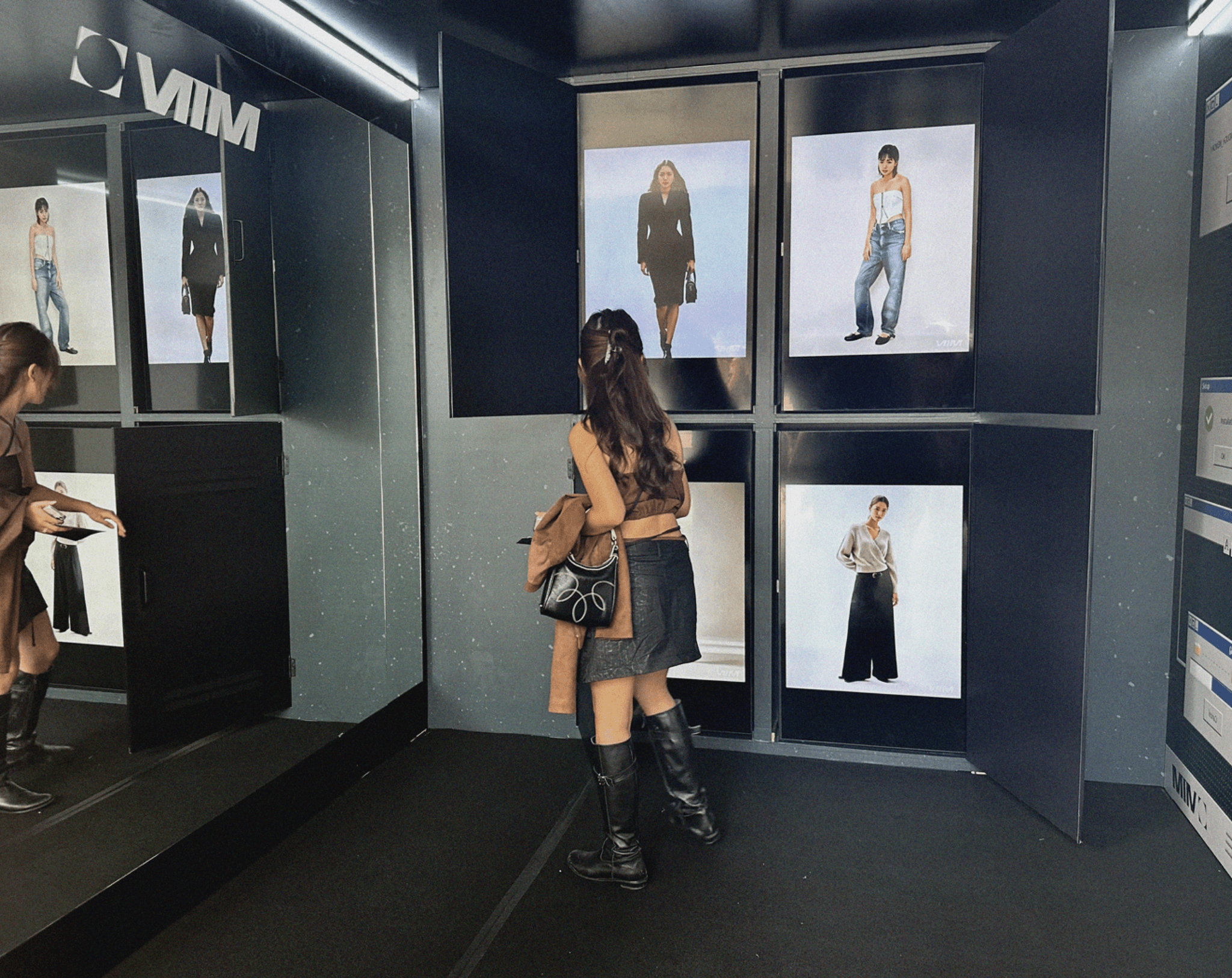
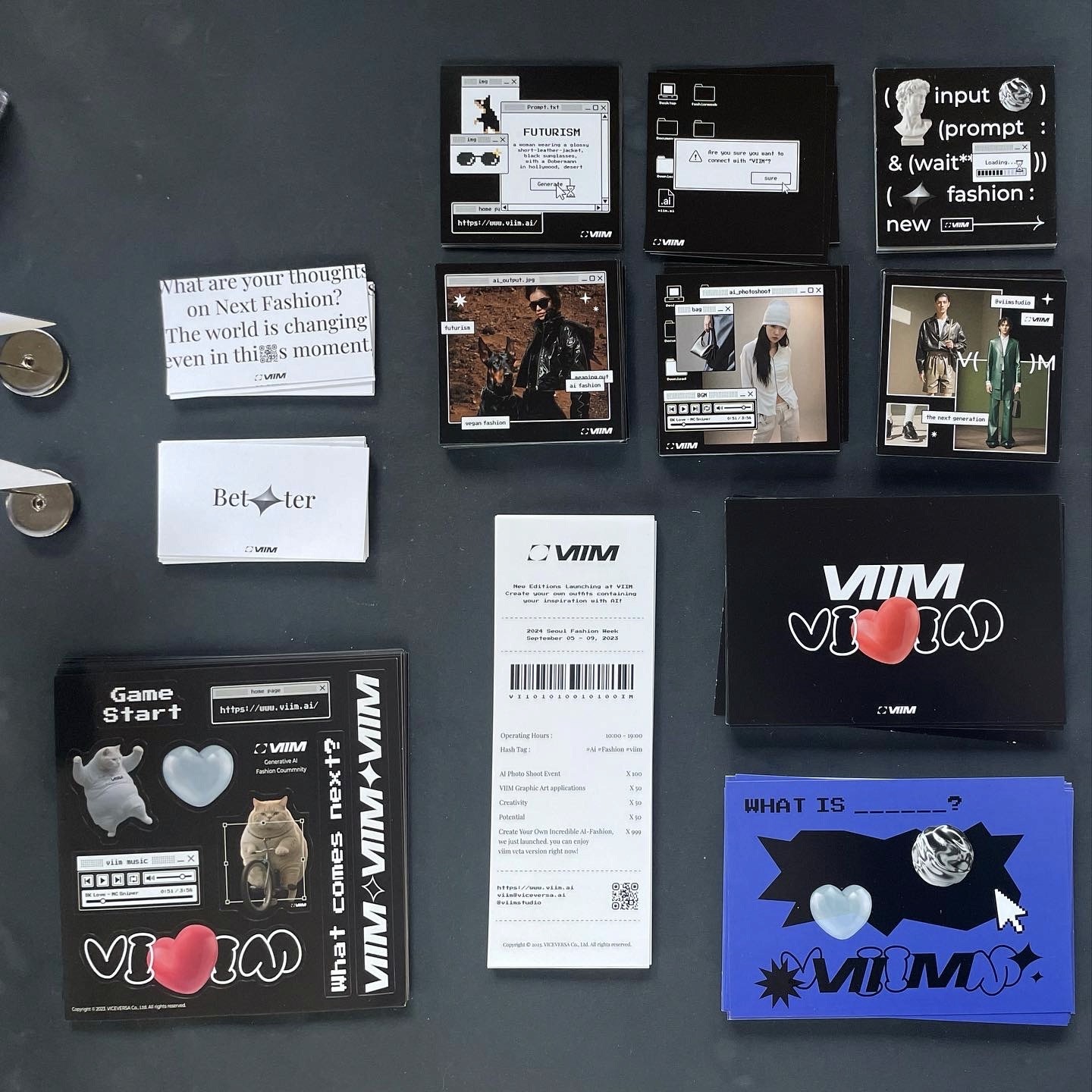
2024 S/S Seoul Fashion Week
To validate VIIM as more than a digital product, I designed an offline experience that translated AI fashion creation into a tangible cultural moment.
We participated in Seoul Fashion Week, showcasing a booth that featured a generative AI-powered fashion photoshoot event to promote our product.
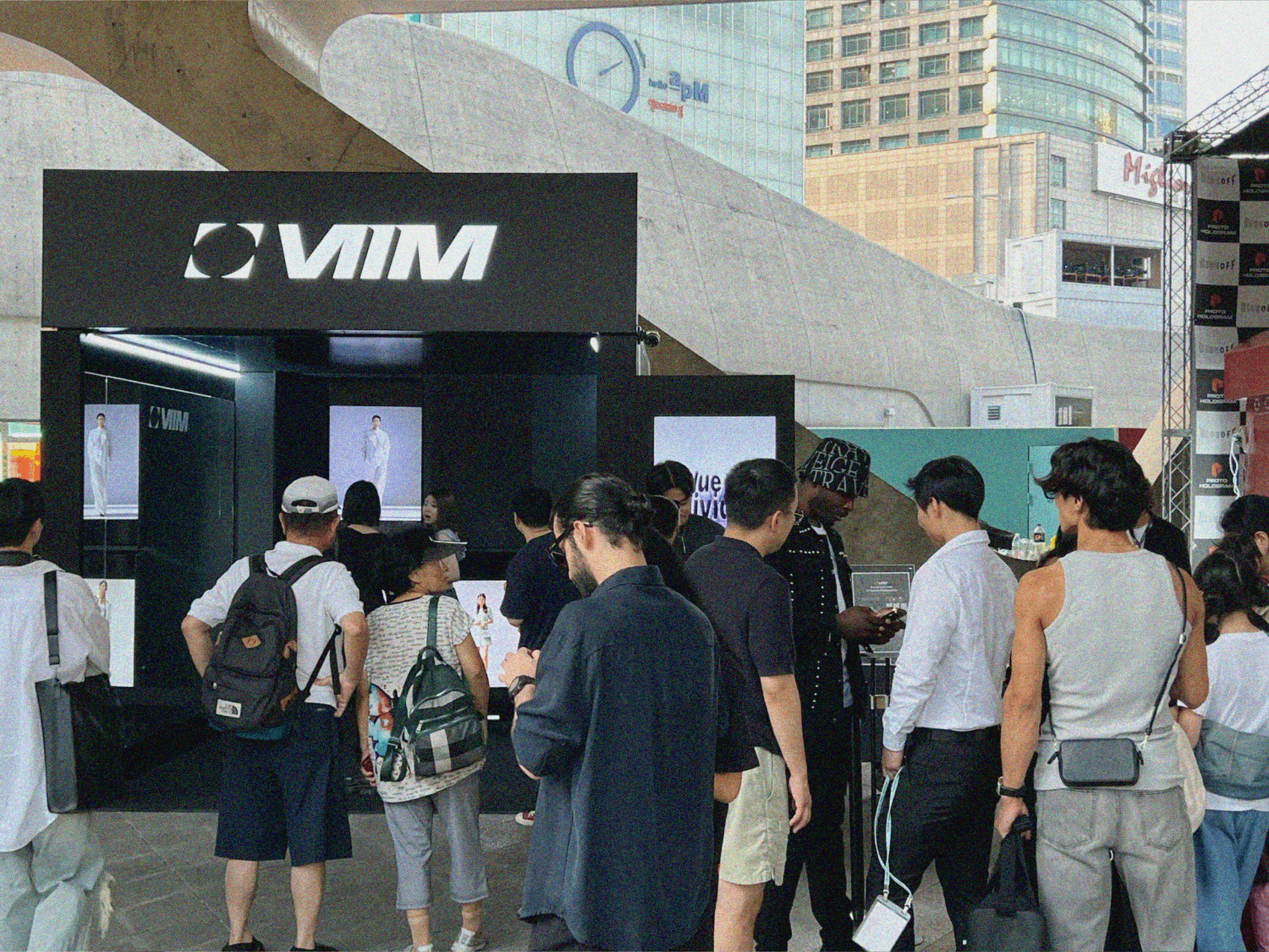
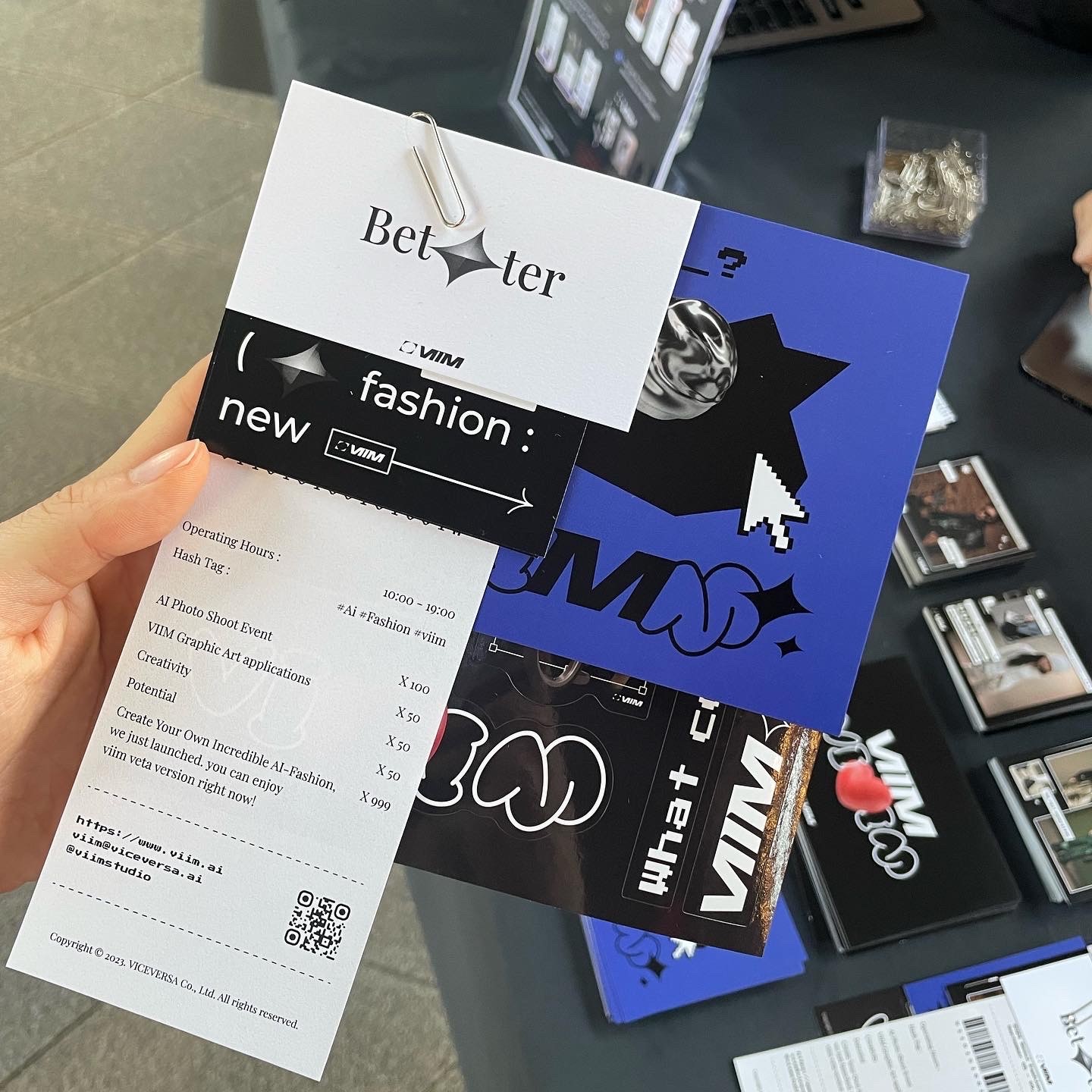
From Booth to 2,000+ Users: Turning Brand Touchpoints Into Growth
This reinforced my belief that brand touchpoints, when designed as experiences rather than promotions, can directly drive user acquisition.
This hands-on approach helped people experience the product in a tangible way, ultimately leading to the acquisition of over 2,000 new users during the event.
How VIIM Reframed the Way
I Design Products
1. Building from Concept to Launch
This project shaped my ability to operate in ambiguity - defining structure, priorities, and direction from an unformed concept through launch in an early-stage startup environment.