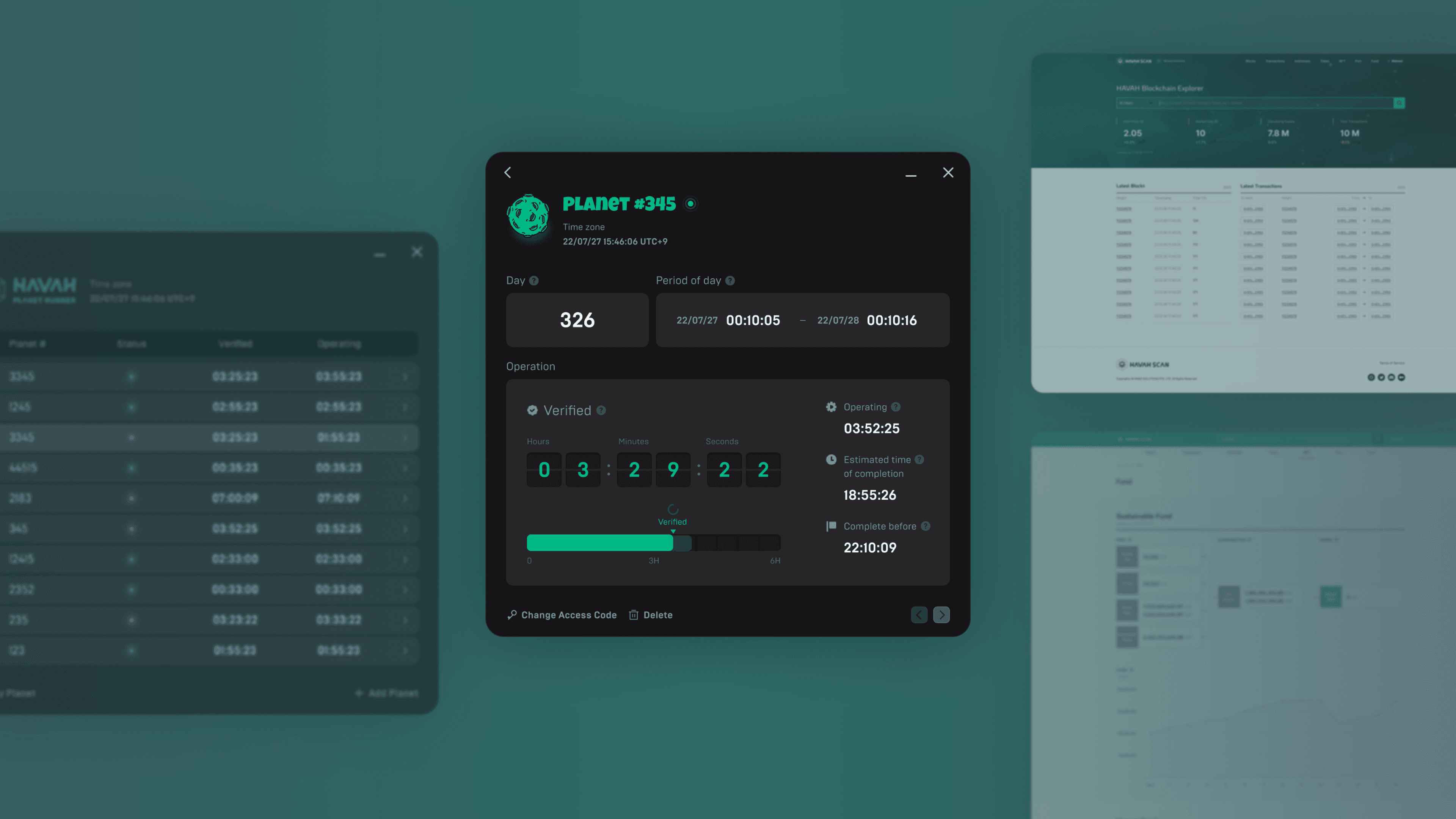
Designed a decentralized identity (DID) platform for a large-scale startup hub, enabling secure access control, guest invitations, and space management through intuitive mobile and admin experiences.
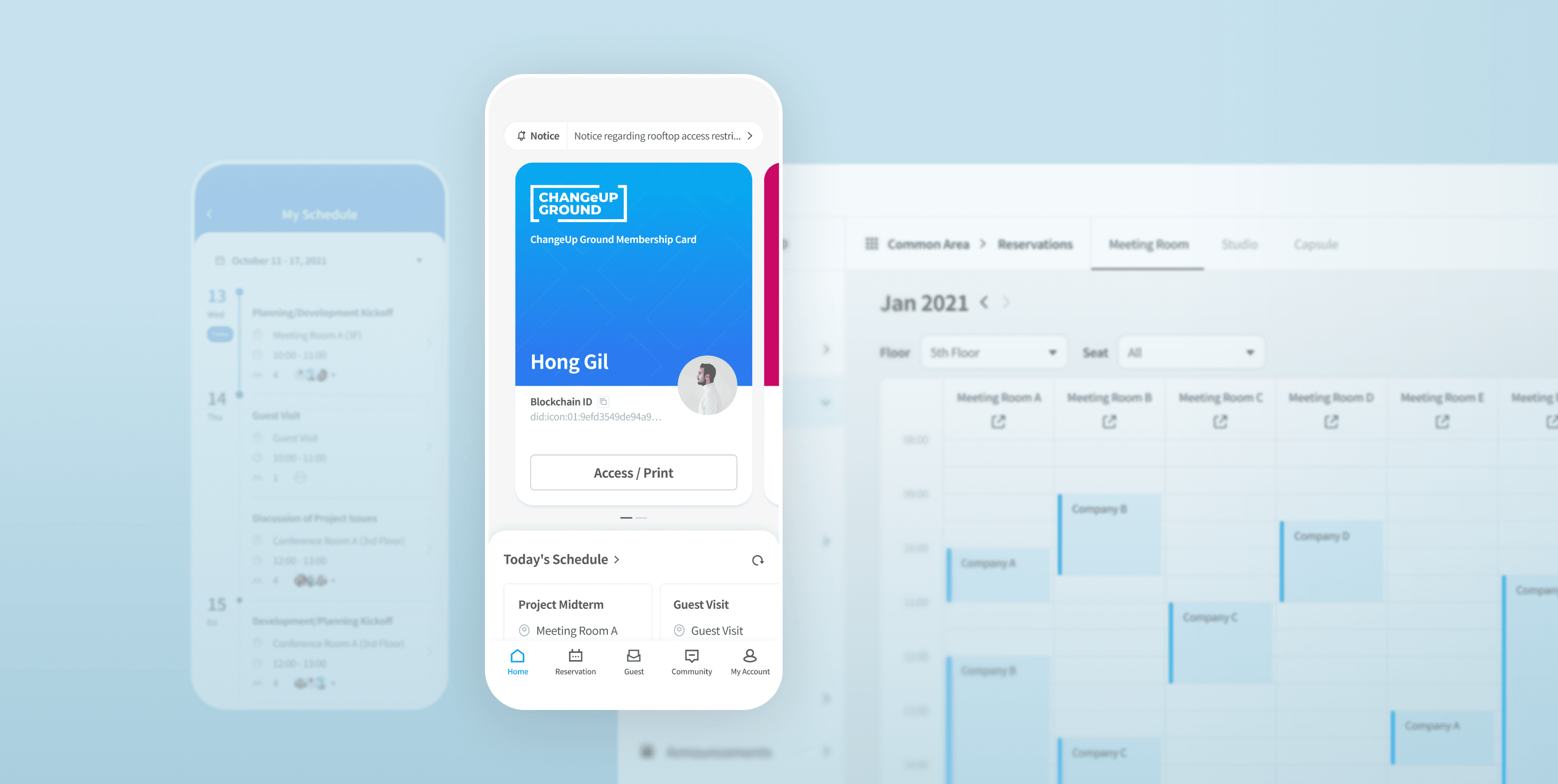
POSCO, one of South Korea’s largest global steel and materials companies, operates CHANGeUP GROUND, a startup hub supporting companies in advanced technologies such as AI, blockchain, and digital identity.
The work focused on designing trust-critical UX where identity, access, and permissions directly affect real-world environments.
Engagement
Freelance (Contract)
Duration
September 2021 - December 2021
Role
Product Designer
Contribution
Reworked planner-defined feature structures into UX-aligned UI architectures, improving clarity, usability, and consistency across the product.
Redesigned mobile app interfaces for member access, guest invitations, and space usage, ensuring flows aligned with real-world behaviors.
Partnered closely with iOS and Android engineers, iterating on UI feasibility, edge cases, and platform-specific constraints.
Focused on creating clear access states and trust-building UI patterns for identity and permission-related interactions.
Delivered production-ready UI and interaction designs under a fixed contract timeline, maintaining alignment across mobile and admin surfaces.
Outcome
The project received positive feedback from internal stakeholders for usability, clarity, and overall execution quality.
Based on the quality of collaboration and design outcomes, I was offered a full-time Product Designer position at Parameta following the freelance engagement.
Team
Project Manager (1)
Service Planner (1)
Front-end Developers - iOS, Android (2)
Product Designer (Freelance, 1)
Belong
Parameta (ex. Iconloop)
Certain sensitive details have been intentionally obscured or lightly modified to comply with security and confidentiality requirements.
Project Context
CHANGeUP GROUND is a large-scale startup hub operated by POSCO, supporting companies across AI, blockchain, and emerging technologies.
The platform required a secure, scalable identity system to manage member access, guest entry, and shared workspace operations across physical spaces.
A decentralized identity (DID) infrastructure was introduced as the foundation, with a strong emphasis on usability in everyday workspace interactions, not technical exposure.
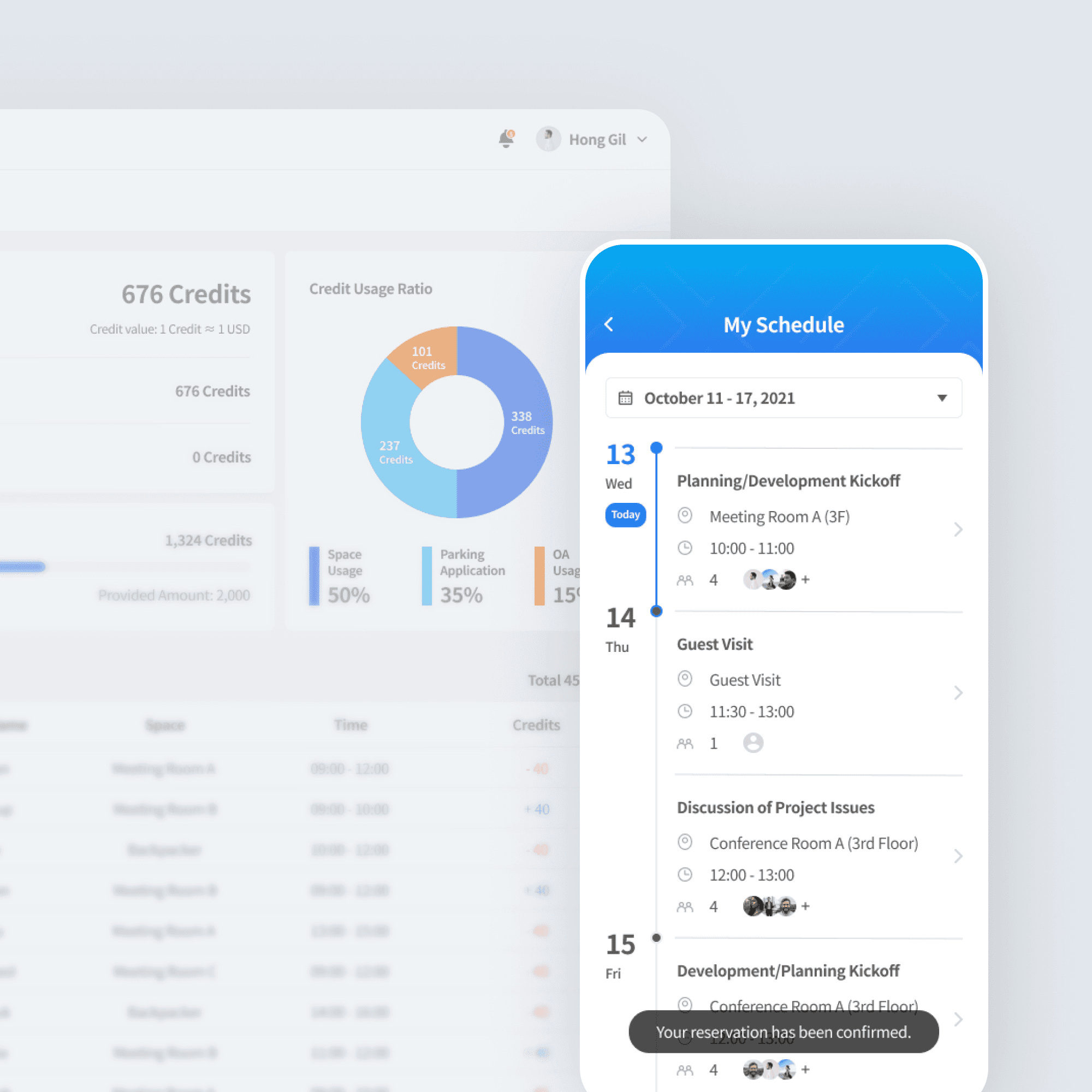
Tenant-facing Product Experience
Identity-based access, reservations, and everyday workspace operations across devices.
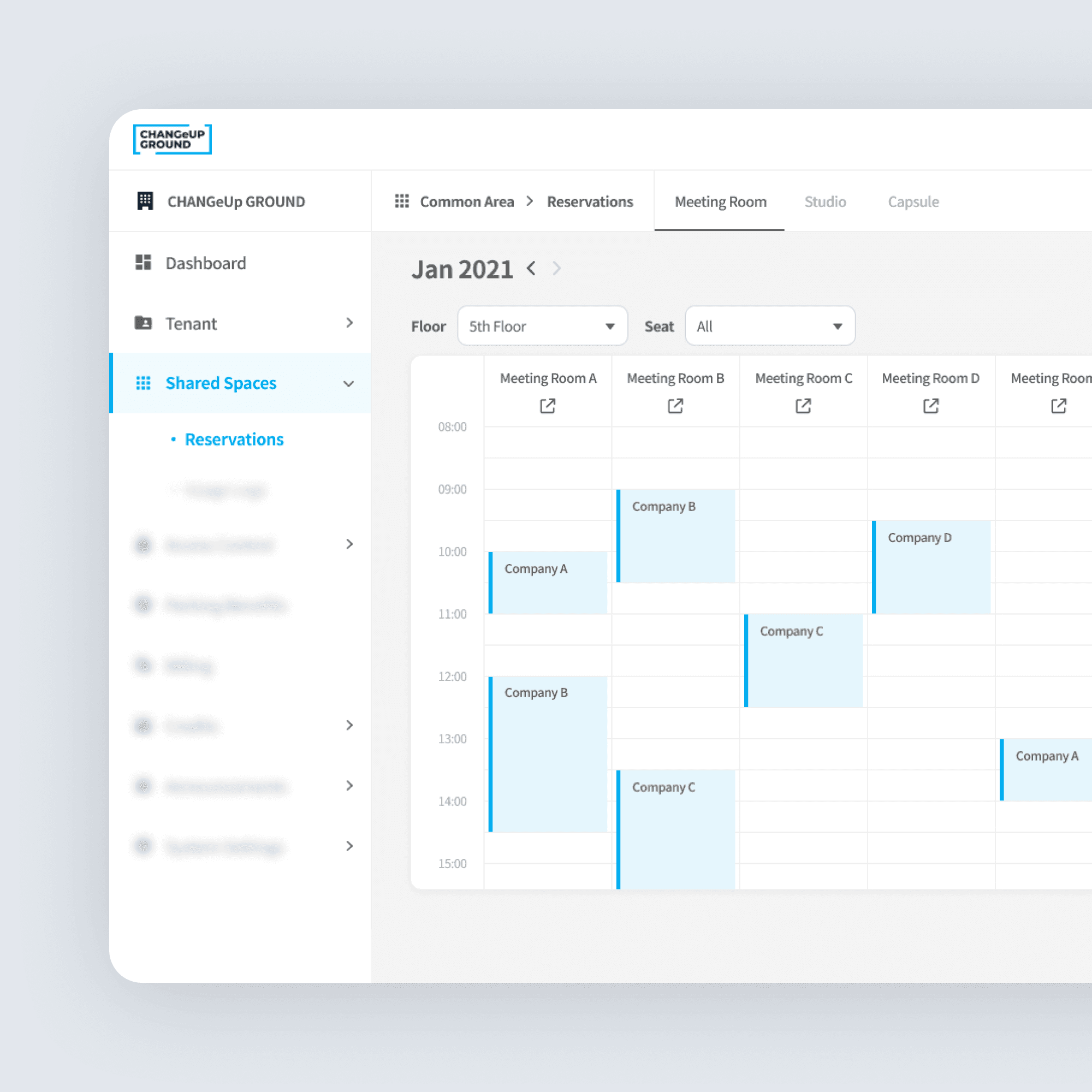
Admin & Operations Dashboard
Centralized access control and shared workspace operations.
Engagement Context
This project was delivered as a 4-month freelance engagement, prior to joining the company full-time.
Core functional requirements and feature scopes were defined by the service planning team
My role focused on translating planner-defined structures into UX-aligned UI architectures
I worked directly with iOS and Android engineers throughout implementation to ensure design intent translated into production-ready interfaces
Problem
Despite strong technical foundations, the system faced several UX challenges:
Identity, access, and permission states were not immediately clear within daily workflows
Entry, reservation, and guest invitation flows needed to feel reliable and predictable in shared physical spaces
Admin users lacked fast visibility and control over access states and shared resources
Existing features emphasized functionality over user confidence and trust
The core challenge
Making identity, access, and permissions feel clear, safe, and dependable in everyday workspace operations.
Key Design Focus
While the platform leveraged decentralized identity under the hood, the UX goal was to abstract technical complexity and focus on familiar, repeatable workflows.
01
Designing Trust-Critical UX
Identity and access actions directly affect physical environments. System states and permissions were designed to be visible, understandable, and predictable.
02
Clarifying Access & Permission States
Member, guest, and admin flows were clearly differentiated through hierarchy, labels, and interaction patterns.
03
Reducing Cognitive Load
Everyday actions such as entry, reservations, and invitations were simplified into familiar UI patterns, minimizing uncertainty and decision effort.
04
Supporting Operational Efficiency
Admin dashboards prioritized frequent actions, clear status visibility, and information hierarchy to support fast operational decisions.
Design Solutions
Blockchain as infrastructure, not interface
Designing identity systems where blockchain disappears from the user experience, delivering security and trust without cognitive burden.
Design Solution 1
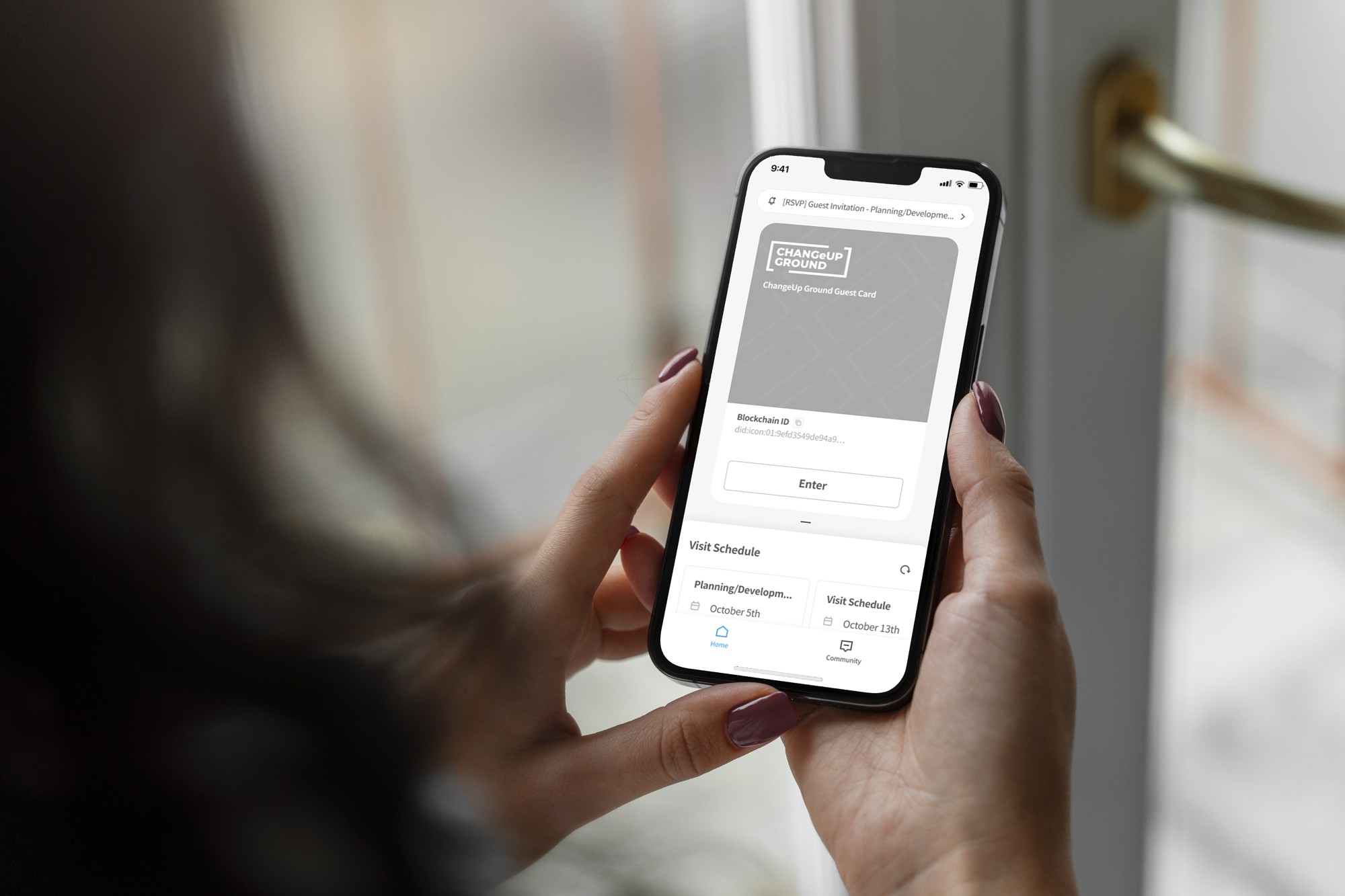
Identity as a Daily Interface
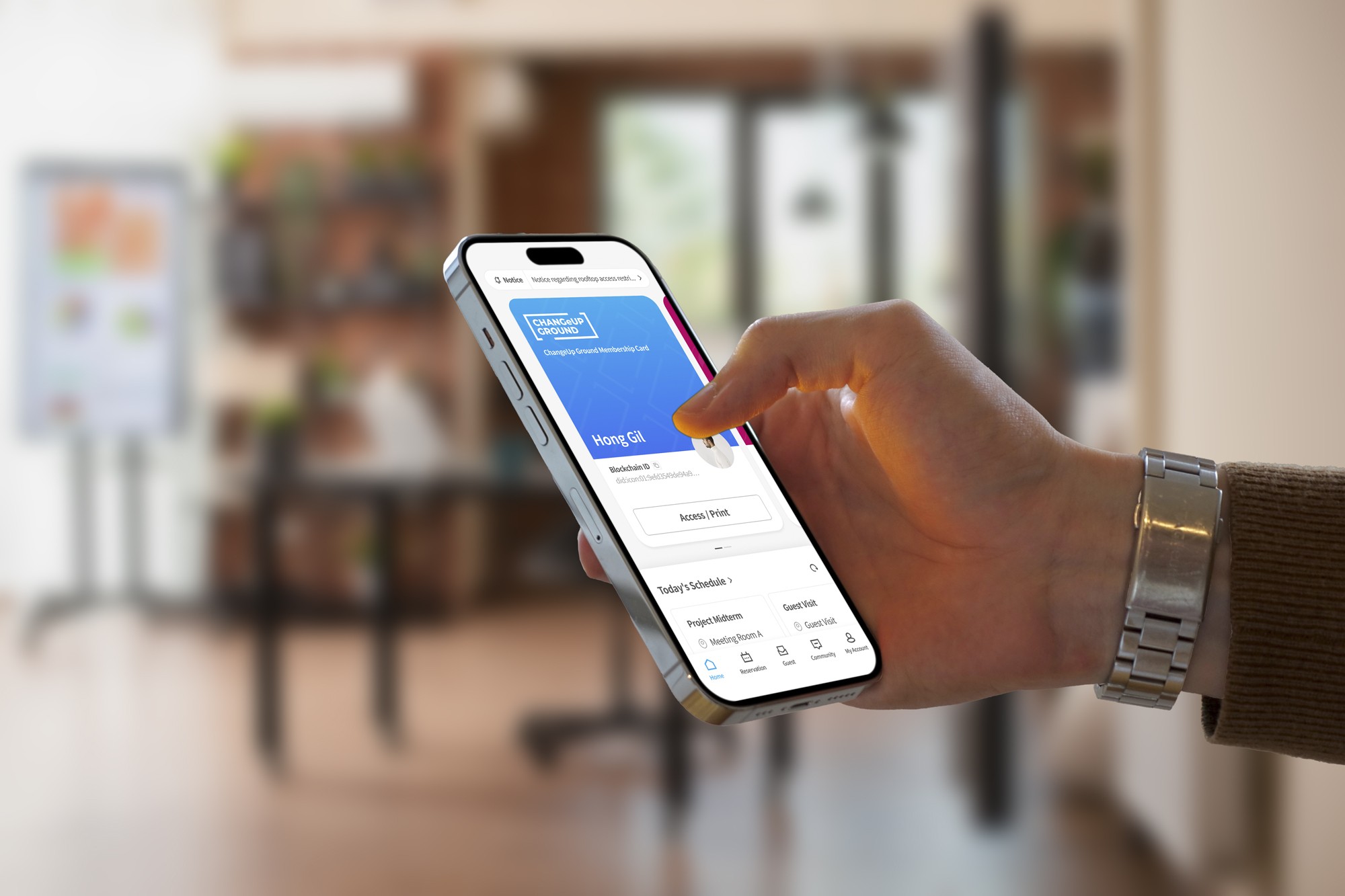


Identity status confirmed and communicated at the moment of entry.
Tenant-facing Mobile Experience
What was designed
Member identity card and entry flow
Guest invitation and access management
Reservation visibility aligned with real-world behaviors
Why it matters
Users don’t think in terms of permissions, they think in terms of “Can I enter right now?”
Making identity state immediately visible reduced uncertainty at physical touchpoints
Identity was treated not as a credential, but as a daily-use interface.
Design Solution 2
Predictable Reservation & Space Usage
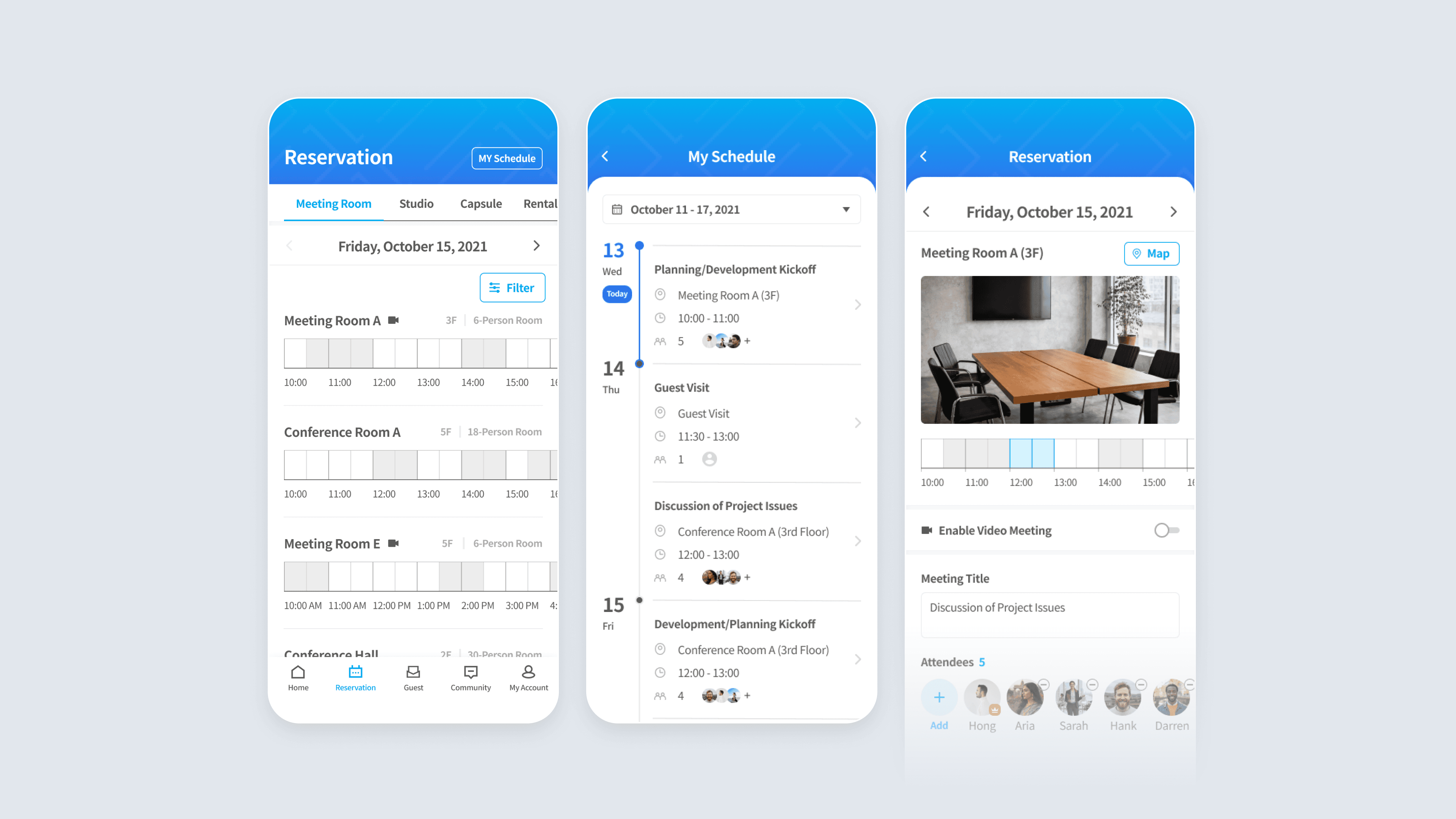
System view - making space availability predictable across booking, schedule, and access
Reservation & Space Management
What was designed
Time-based visibility of shared space usage
Reservation flows aligned with real-world schedules
Clear conflict prevention through availability states
Why it matters
Users rely on reservations to decide where to go next in a physical space
Any mismatch between digital schedules and on-site access immediately breaks trust
Predictability mattered more than speed or flexibility in shared environments
Design decision
We prioritized predictability over flexibility, because uncertainty at arrival breaks trust faster than inconvenience.

Real-world context where predictability becomes trust
A reservation only matters if it holds true at the exact moment a user arrives.
Design Solution 3
Invitations Without Friction
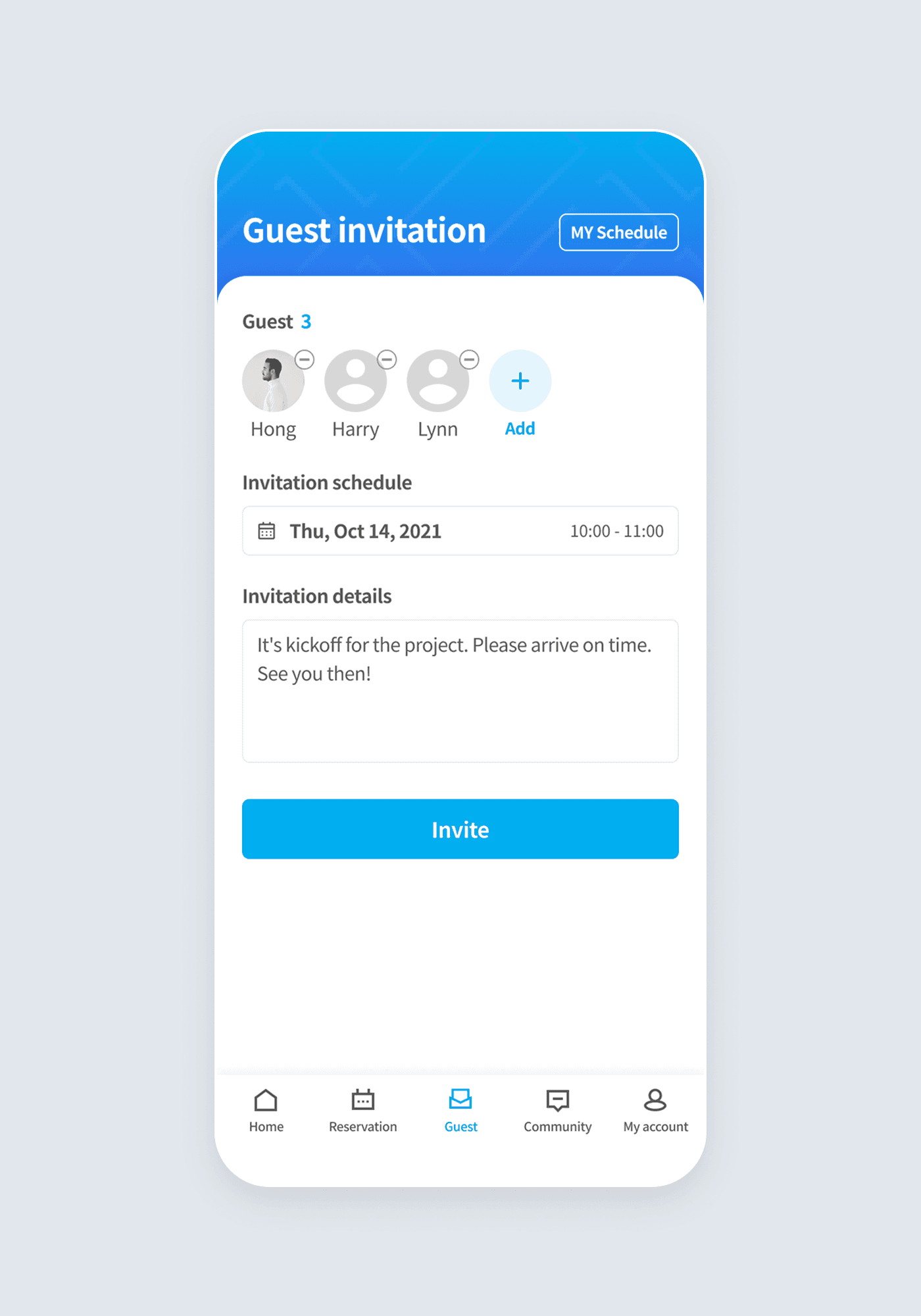
Host defines who can enter, and when
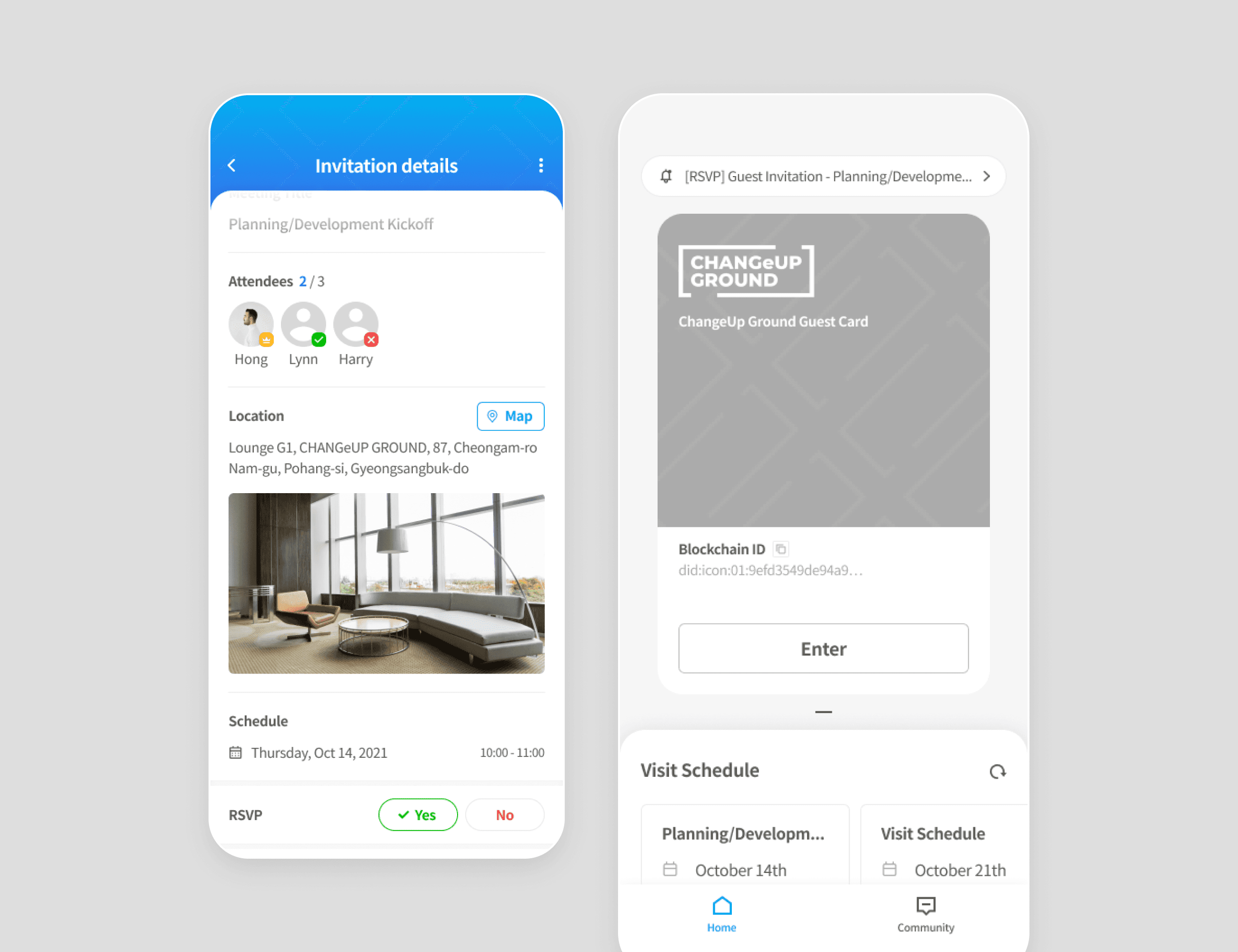
Guests confirm access tied to a specific time window
Guest Access & Invitation Flow
What was designed
Guest invitations tied to host identity and time window
RSVP and access validity clearly communicated
No ambiguity around who can enter, when, and why
Why it matters
Guest access is a high-risk moment for both security and user anxiety
Clear invitation states reduced front-desk intervention and manual overrides
Guest access is only frictionless when identity, time, and permission align at the door.
Certain sensitive details have been intentionally obscured or lightly modified to comply with security and confidentiality requirements.
Design Solution 4 · Admin Operations
Operational Clarity for Admins
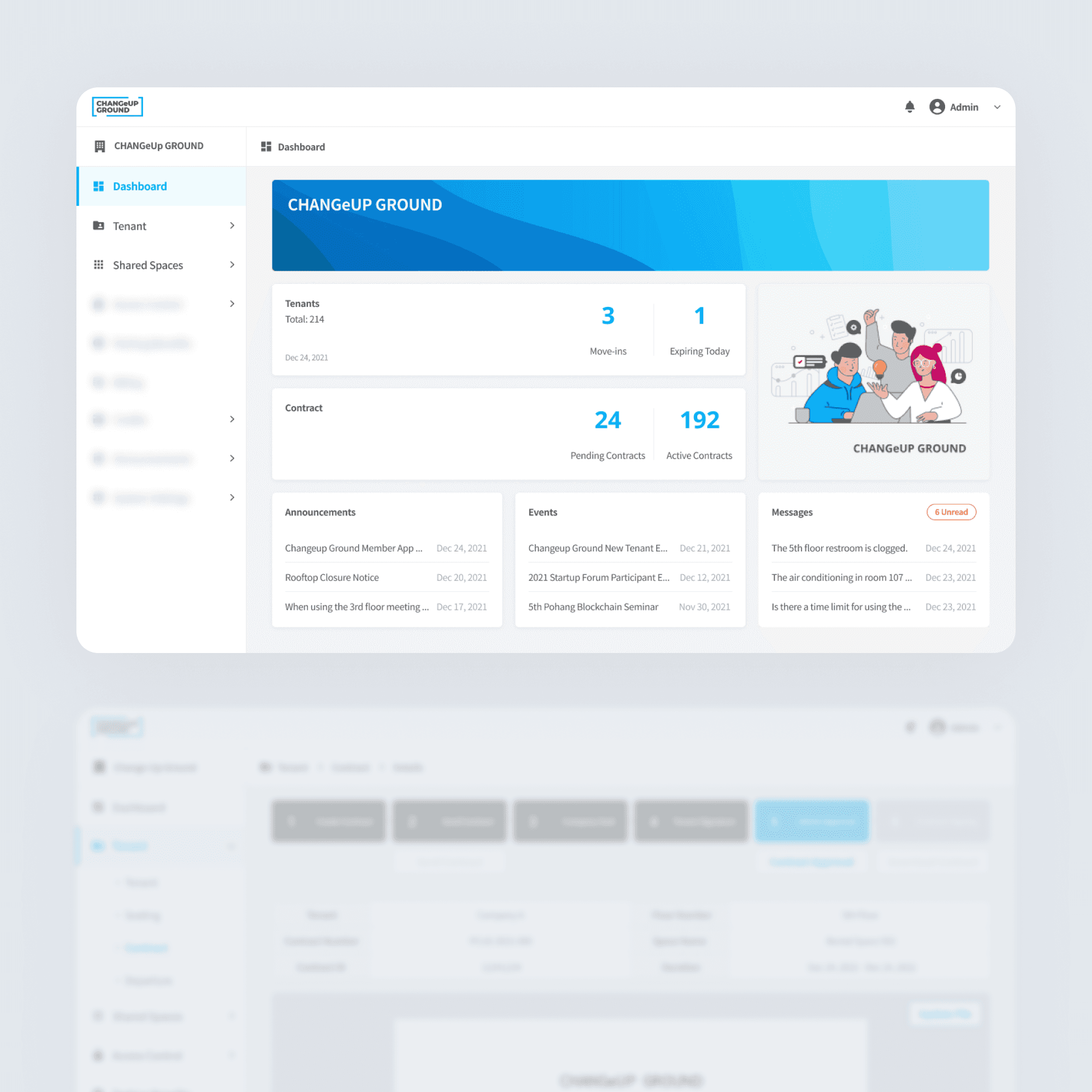
Dashboard
Designed to surface upcoming contract milestones early, enabling proactive renewals and reducing operational uncertainty.
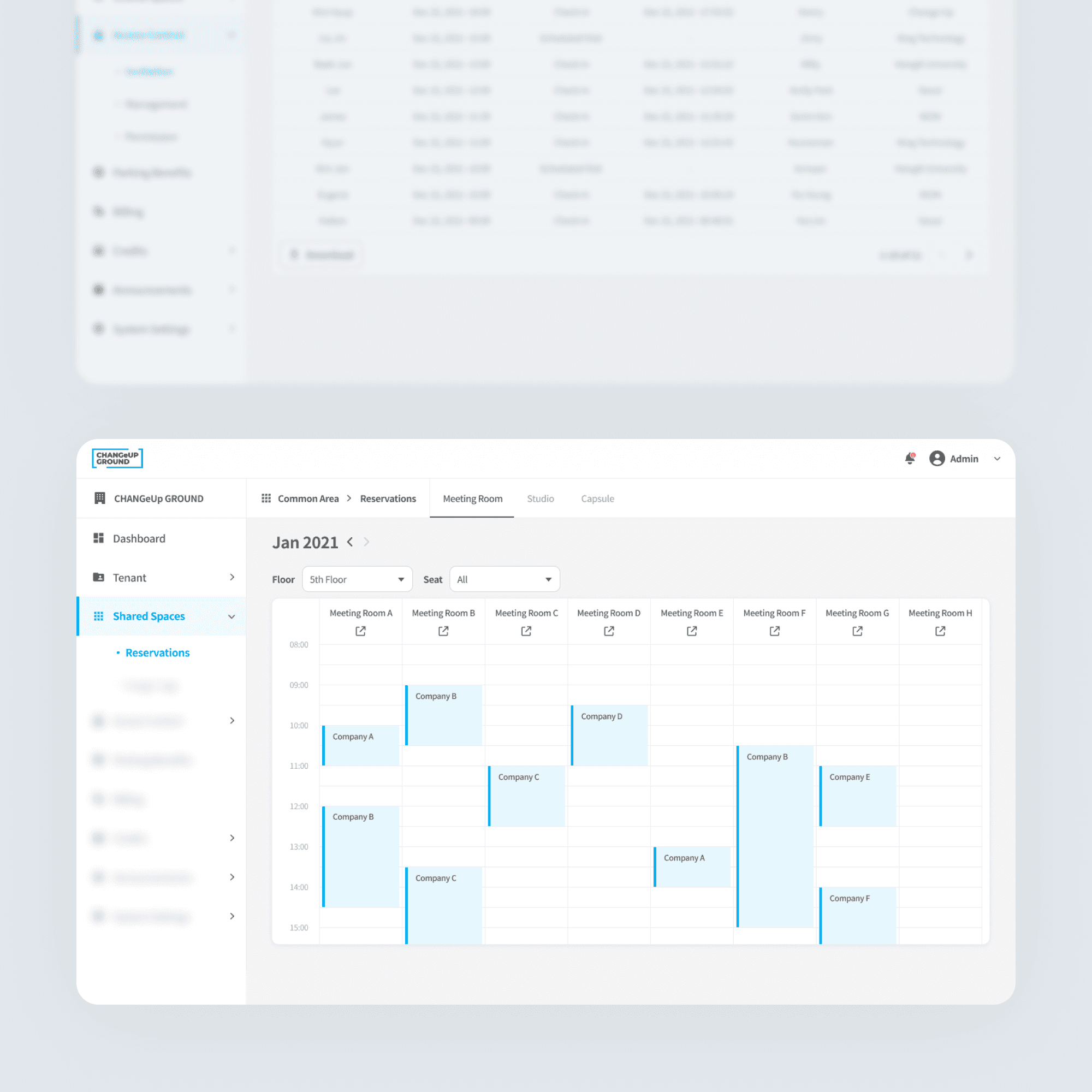
Reservation
Centralized reservation visibility to prevent scheduling conflicts and minimize coordination overhead across teams.
Operational Impact Summary
What was designed
Redesigned access and permission flows to reduce manual overrides and admin errors
Unified fragmented space usage data into a single, time-based operational view
Clear status indicators for fast operational decisions
Why it matters
Admins don’t need more data, they need decisive clarity
The system was designed to minimize decision hesitation during daily operations
Access and contract-related actions could be handled without manual cross-checking
Contract follow-ups were structurally enabled to happen on the same day
Admin UX prioritized speed of understanding over feature density.
Across mobile and admin experiences, the system was designed to make identity, access, and permissions feel clear, safe, and dependable in everyday operations.
Execution & Impact
From Design to Delivery
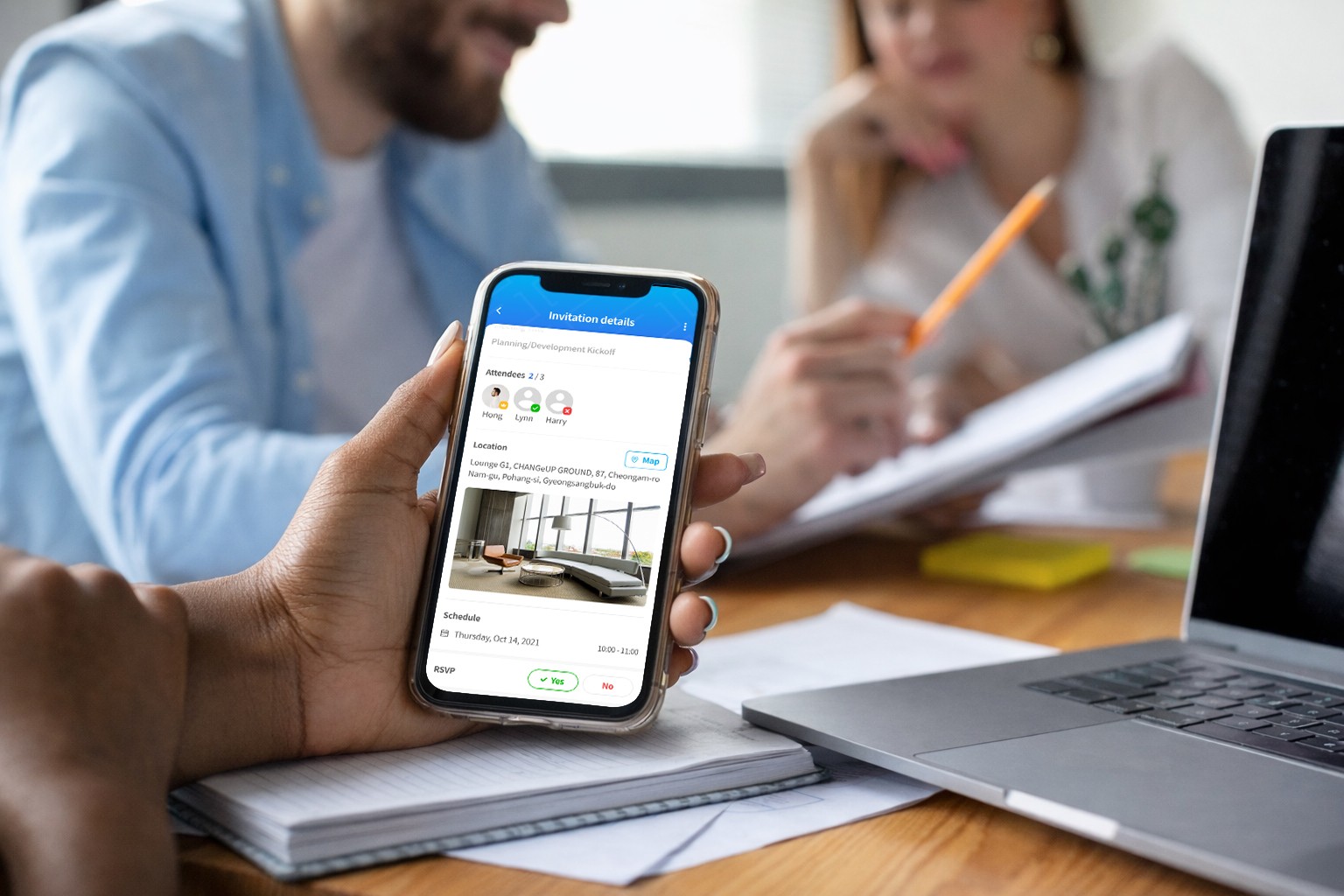

A DID-based invitation flow bridging digital identity verification and real-world access.
Collaboration
Worked closely with service planners to align UX decisions with business intent
Partnered with iOS and Android engineers to refine UI feasibility and platform constraints
Iterated designs based on implementation feedback rather than assumptions
Outcome
Received positive feedback from internal stakeholders for usability and clarity improvements
The engagement concluded with a full-time Product Designer offer, reflecting trust in both the design outcomes and collaboration approach.
As a freelance engagement, long-term quantitative metrics were not available.
Impact was assessed through operational scenario reviews and stakeholder validation.
What This Project Demonstrates
1
Designing Identity & Access for Real-World Use
Identity, access, and permission systems designed for physical environments, where clarity and predictability directly affect user trust and behavior.
2
Translating Technical Constraints into Usable UX
Complex blockchain and system constraints translated into clear, understandable interfaces for non-technical users.
3
Effective Cross-Functional Collaboration
Close collaboration with planners and iOS/Android engineers to align UX decisions with technical and operational realities.
4
Validated Trust Through Freelance-to-Hire
Delivered as a freelance engagement that led to a full-time offer, validating design quality, collaboration, and ownership.
Thank you.
It reflects my approach to designing clarity and trust within complex, real-world systems.