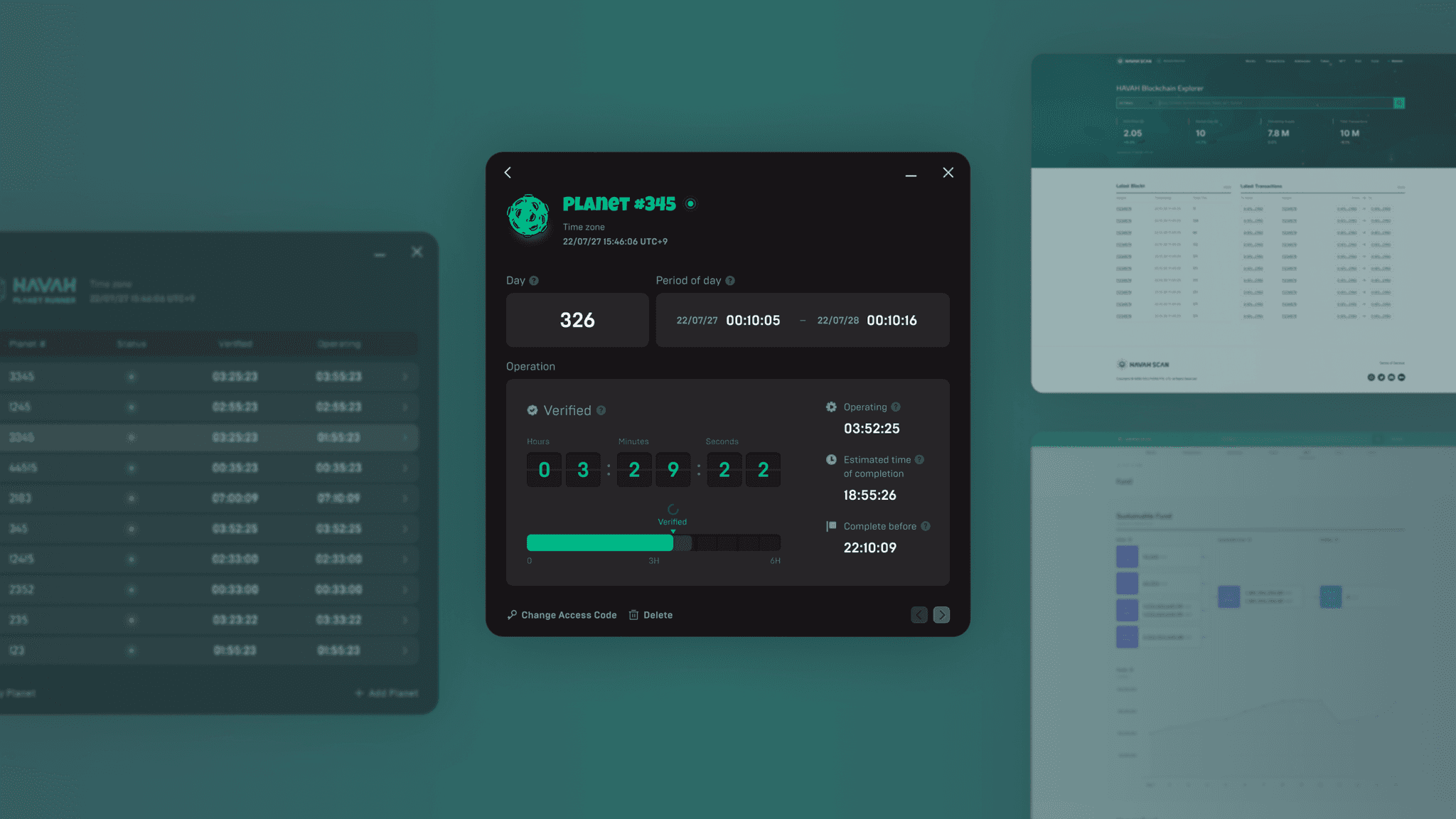
Product design across Node App, Block Explorer, and Faucet in a live Layer-1 blockchain environment
My role focused on designing safe decision-making experiences within protocol-driven blockchain systems, where most user actions are irreversible.
Duration
February 2022 - January 2023
Role
Product Designer
(UX Architecture, Terminology Design, UI Design)
Contribution
Led UX restructuring across three core blockchain products (Node App, Block Explorer, and Faucet), translating protocol-driven features into understandable and actionable user flows.
Redefined user-facing terminology to separate protocol accuracy from user comprehension, reducing cognitive load and confusion across similar blockchain actions.
Designed contextual interaction patterns (e.g., tooltips, confirmations, and guardrails) to support safe execution of irreversible on-chain actions.
Owned end-to-end UI and interaction design for most product surfaces, ensuring consistency and clarity across the ecosystem.
Collaborated with product planners and engineers to align technical constraints with user-centered experience decisions.
Established foundational UI patterns and visual language to support scalability across future HAVAH products.
Led the project as the primary designer from early UX definition through core UI implementation, and handed off finalized systems for ongoing maintenance.
Team
Product Owner (1)
Product Planner (2)
Project Manager (1)
Front-end Developers (2)
Back-end Engineers (2)
Product Designer (1) Primary Contributor → Handoff
Belong
Parameta (ex. Iconloop)
Partners
2bytes Corporation, Web3 Solutions
Overview
HAVAH is a Layer-1 blockchain ecosystem consisting of multiple user-facing products, including a Node App, Block Explorer, and supporting tools. These products expose users directly to protocol-level operations and data.
This project focuses on reducing perceived risk in irreversible blockchain operations by making system states explicit before commitment.
UX Challenge
The primary UX challenge was enabling non-technical users to make confident decisions in a system where actions are irreversible, terminology is unfamiliar, and system states are not inherently visible.
Design Principles
To address irreversible actions and cognitive overload, I focused on three core principles across all products:
Make system states visible
Translate invisible protocol states into human-readable signals
(status labels, timers, progress indicators)Separate protocol accuracy from user comprehension
Preserve technical correctness internally, while exposing simplified, intention-driven terminology to usersSupport confidence before commitment
Use tooltips, confirmations, and contextual guidance before irreversible actions are executed
Visual assets and illustrations were provided by a partner team (2bytes). My responsibility was to integrate these assets strategically into the UX, ensuring they reinforced clarity, feedback, and emotional safety within complex, high-risk operational flows.
Products & Contexts
Each product addressed a different type of user risk, requiring distinct UX strategies under a shared system language.
01
HAVAH Planet Runner (PC-native node app)
High-Risk Operational UX
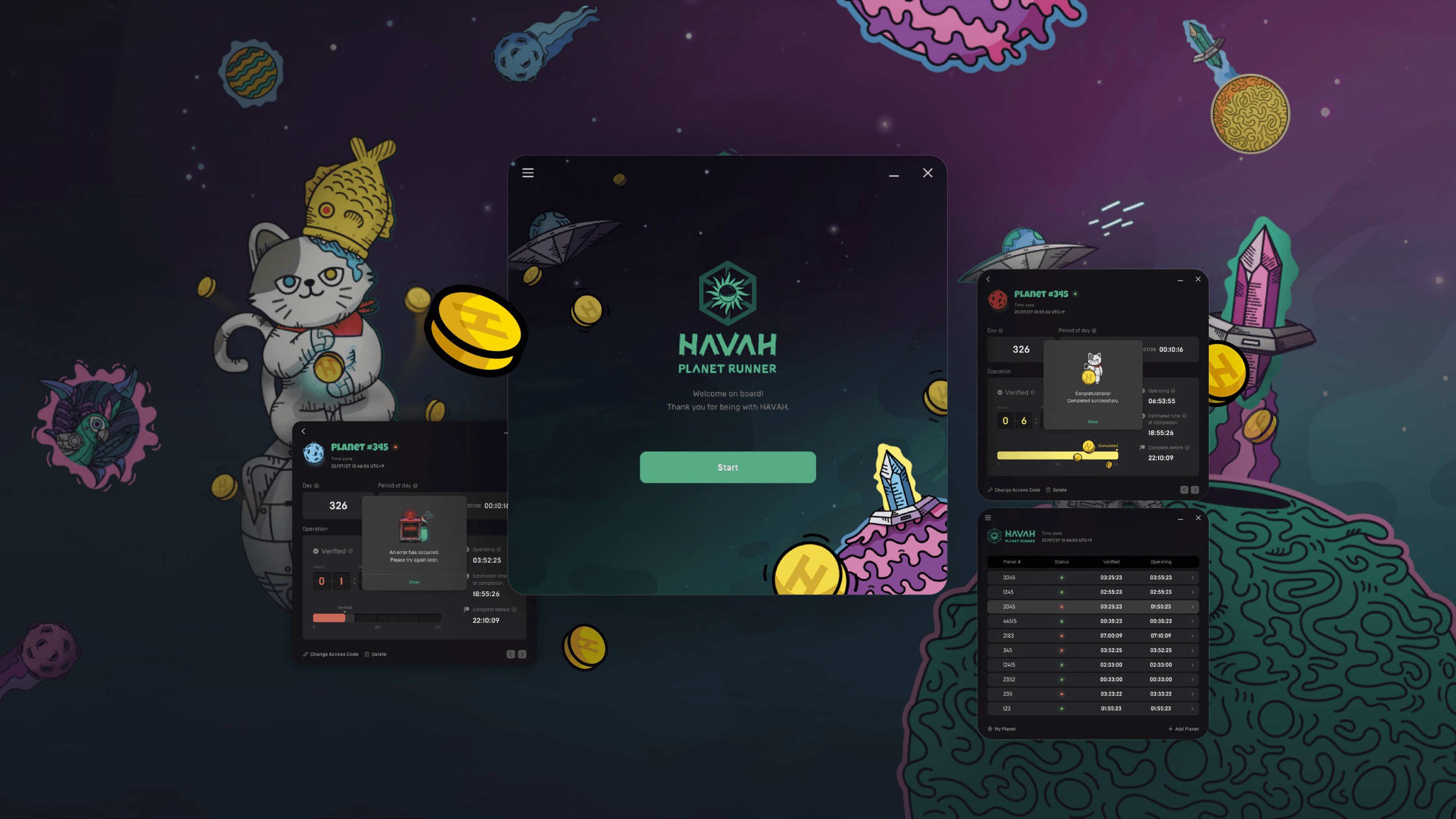
Planet Runner enables users to operate and monitor multiple nodes responsible for on-chain reward generation. Most actions are irreversible once executed, making safety, clarity, and decision confidence critical UX priorities.
02
HAVAH Scan (Blockchain explorer)
Transparency & Trust through Information Design
HAVAH Scan serves as a transparency layer for the network. The challenge was presenting complex blockchain data in a way that supports trust and comprehension.
03
Supporting Tool: HAVAH Faucet (Testnet tool)
The Faucet supported onboarding and testing, and followed the same terminology and interaction principles defined across the ecosystem.
HAVAH Planet Runner
PC-native node app
Core Problem
Planet Runner is a node operation tool where most user actions are irreversible and directly affect on-chain assets. However, protocol-level states such as verification, operation timing, and execution status were not inherently visible to users.
For non-technical users, this created high cognitive load and uncertainty at critical decision points.
Strategy
The UX strategy focused on reducing perceived risk before commitment by making system states and reward conditions explicit.
In Planet Runner, where operations are long-running and outcomes are delayed, early visibility into timing, verification, and reward eligibility helped users assess both operational and economic risk before execution.
The goal was decision confidence, clearly communicating what is happening, what comes next, and whether it is safe to proceed.
UX Focus
This strategy was implemented through three core UX patterns:
1
State visibility
Real-time timers and status badges replaced abstract protocol states, reducing uncertainty during long-running operations.
2
Pre-commit confirmation patterns
Contextual warnings appeared only at irreversible decision points, preventing premature fear while protecting critical actions.
3
Emotional safety cues
Friendly visual feedback softened long waiting periods without obscuring underlying operational risk.
These patterns allowed users to operate nodes with greater confidence, even without deep blockchain knowledge, while maintaining full protocol integrity.
UX Focus 1
State visibility
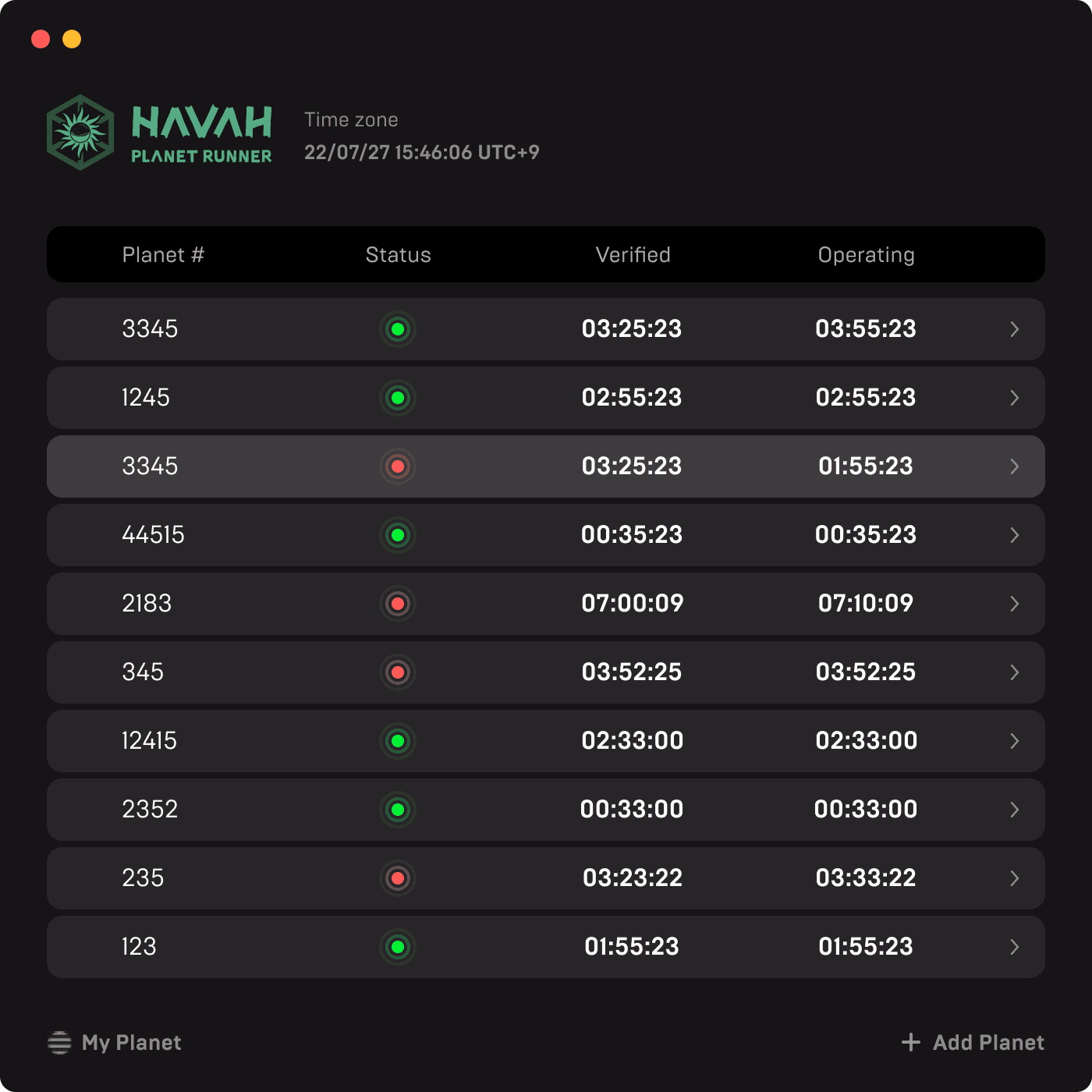
(1) Awareness: List View
Enables users to assess risk across multiple planets before committing to an operation, through comparative status signals and time-based indicators.
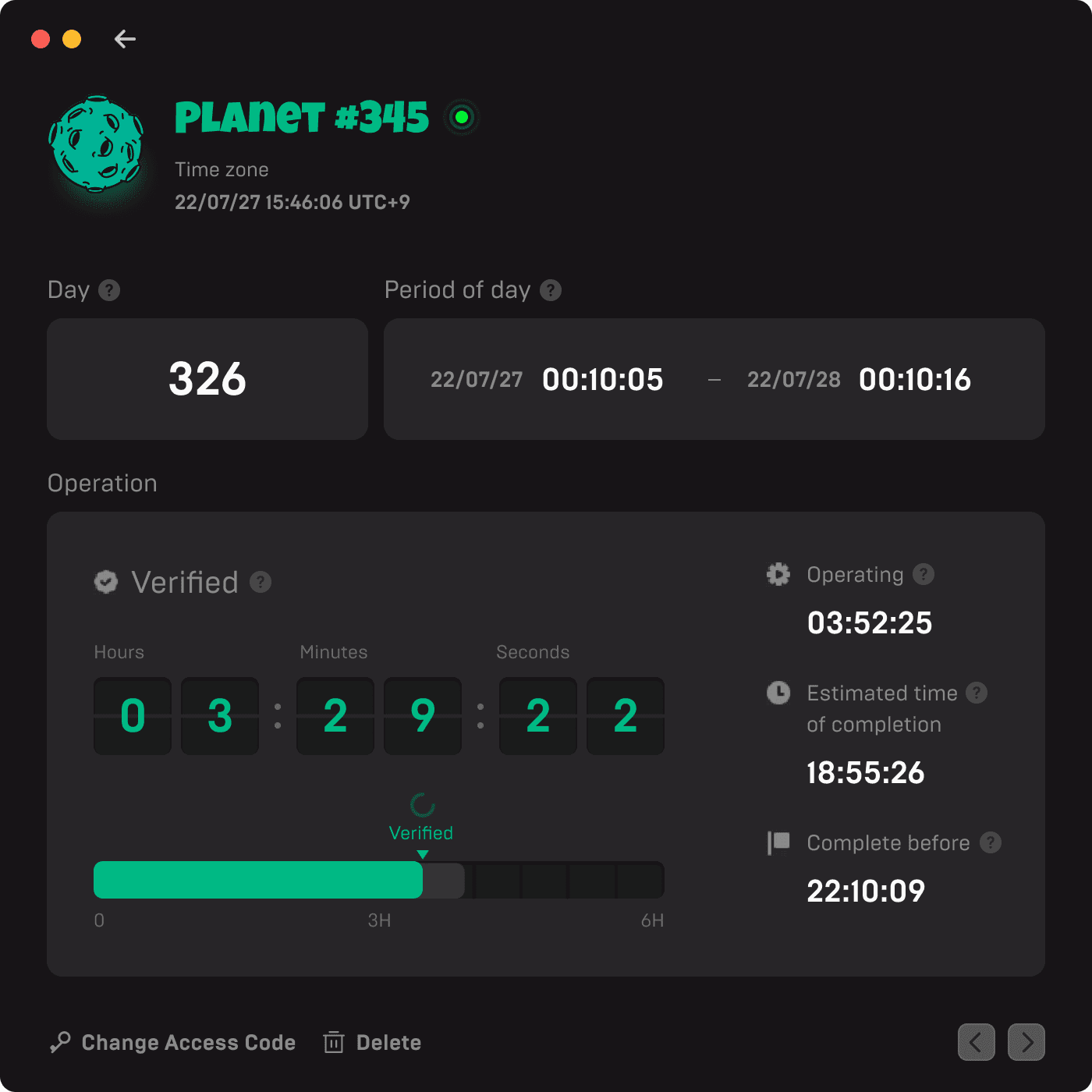
(2) Decision: Detail / In-progress View
Clarifies whether immediate action is appropriate or waiting is required, by exposing execution state, remaining time, and next-step expectations.
(3) Relief: Completion Feedback View
Provides an explicit end state, closing the loop of uncertainty through clear completion feedback and visual confirmation. Completion is also surfaced via system-level notifications and app icon indicators, ensuring closure even when users are not actively monitoring the interface.
State visibility through status labels, timers, and progress indicators that translate protocol states into human-readable feedback.
*Key change: verified time and completion deadlines are visible before execution, removing guesswork at irreversible decision points.
UX Focus 2
Pre-commit confirmation patterns
(1) Reward eligibility clarification
Explains protocol-specific reward conditions (e.g. verified operating time) before execution, helping users understand whether an action is worth initiating.
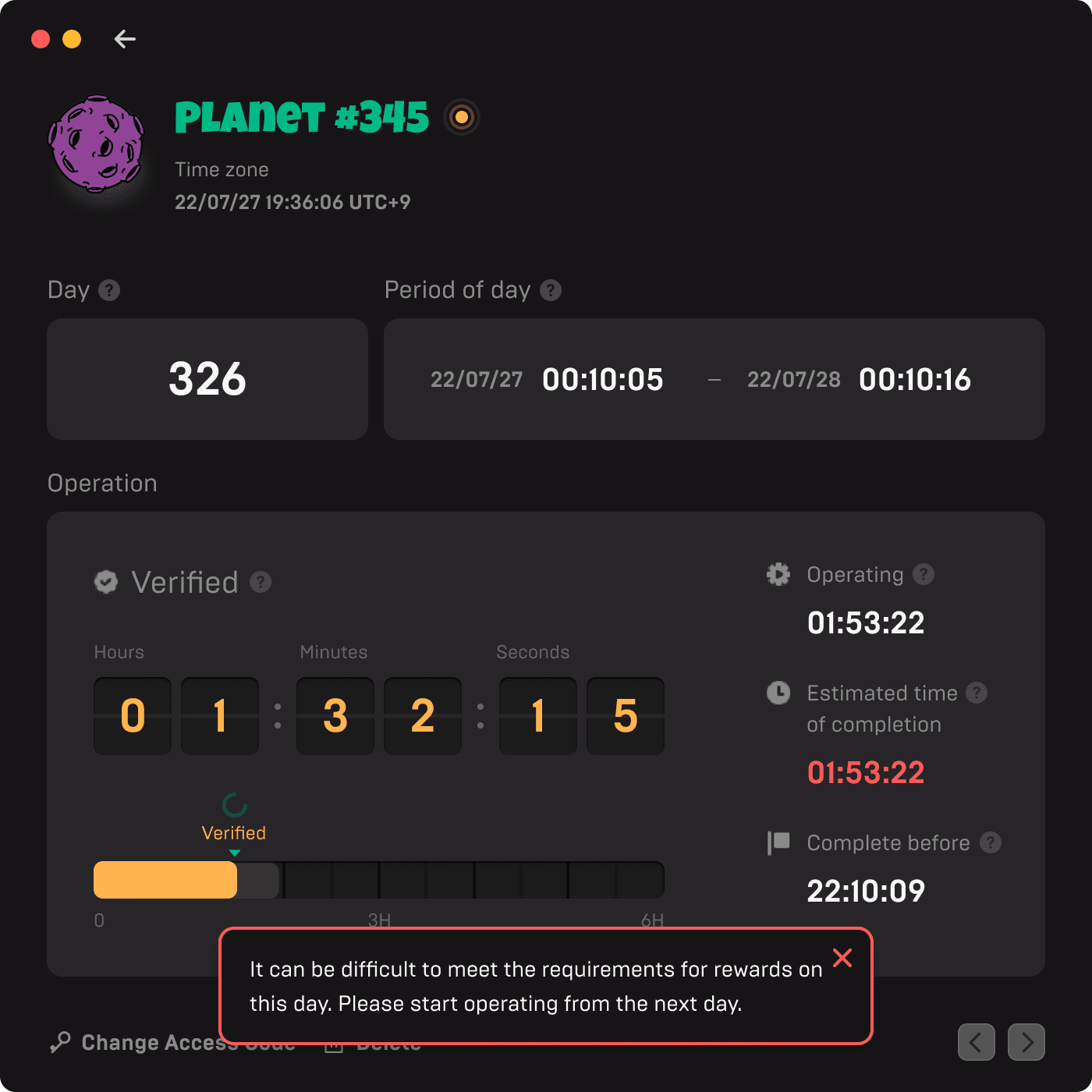
(2) Reward shortage warning
Warns users when current conditions are unlikely to meet reward requirements, guiding them to delay execution and avoid unnecessary risk or wasted effort.
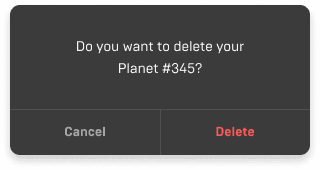
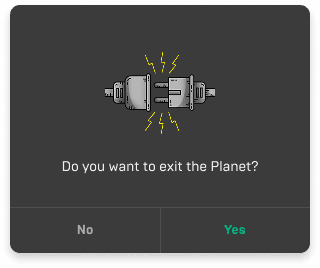
(3) Pre-commit confirmation
Creates intentional friction before irreversible actions by separating exit and delete intents into distinct confirmation steps, allowing users to slow down and make deliberate decisions.
Pre-commit clarification through contextual tooltips and warnings, surfacing protocol rules, reward conditions, and execution risks before users commit to irreversible actions.
*Critical intervention point: reward shortage warnings appear only when execution timing makes the action risky.
UX Focus 3
Emotional safety cues

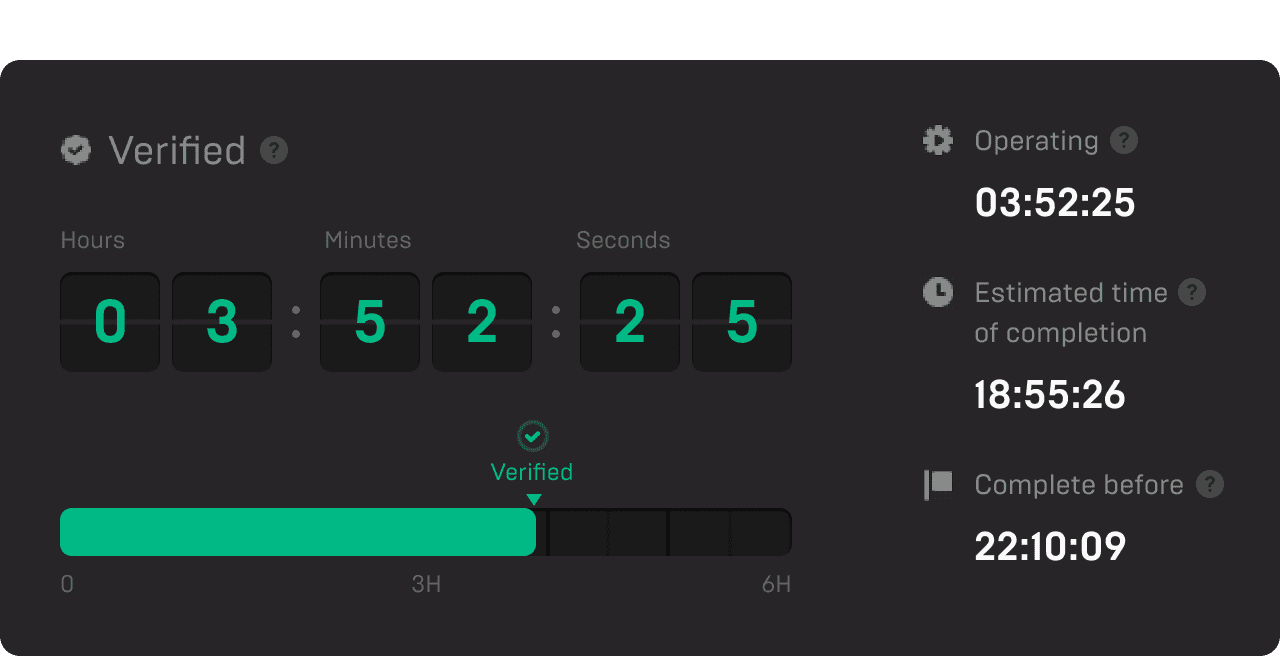
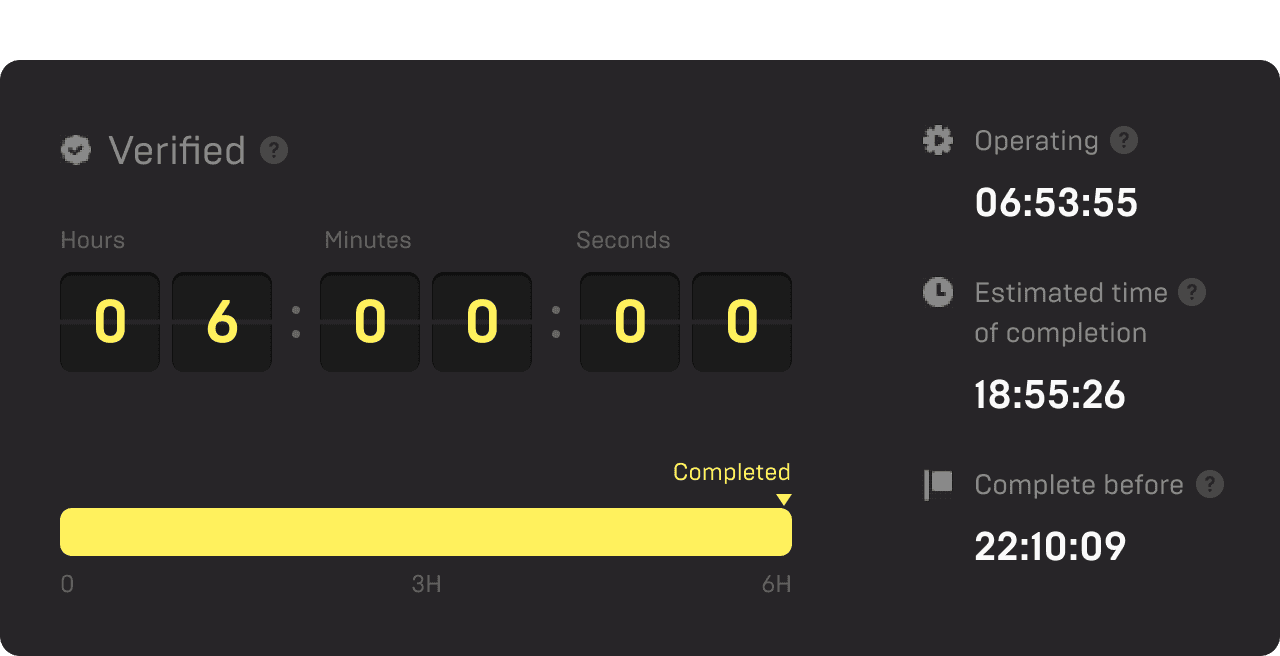
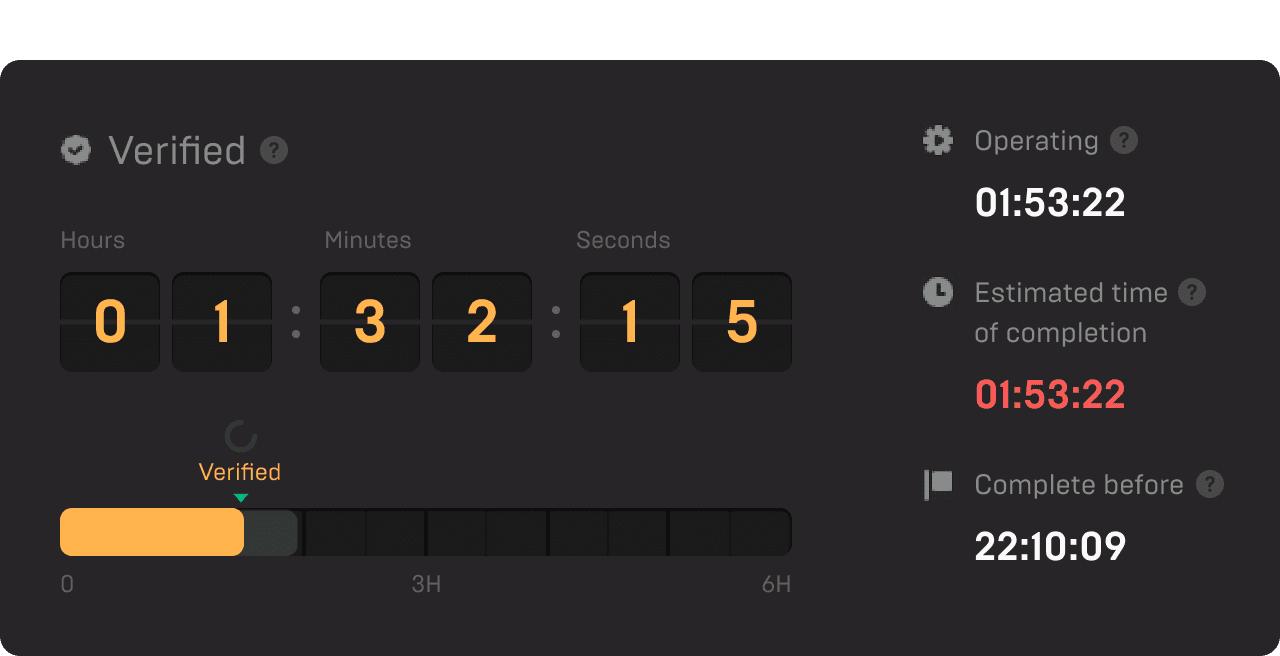
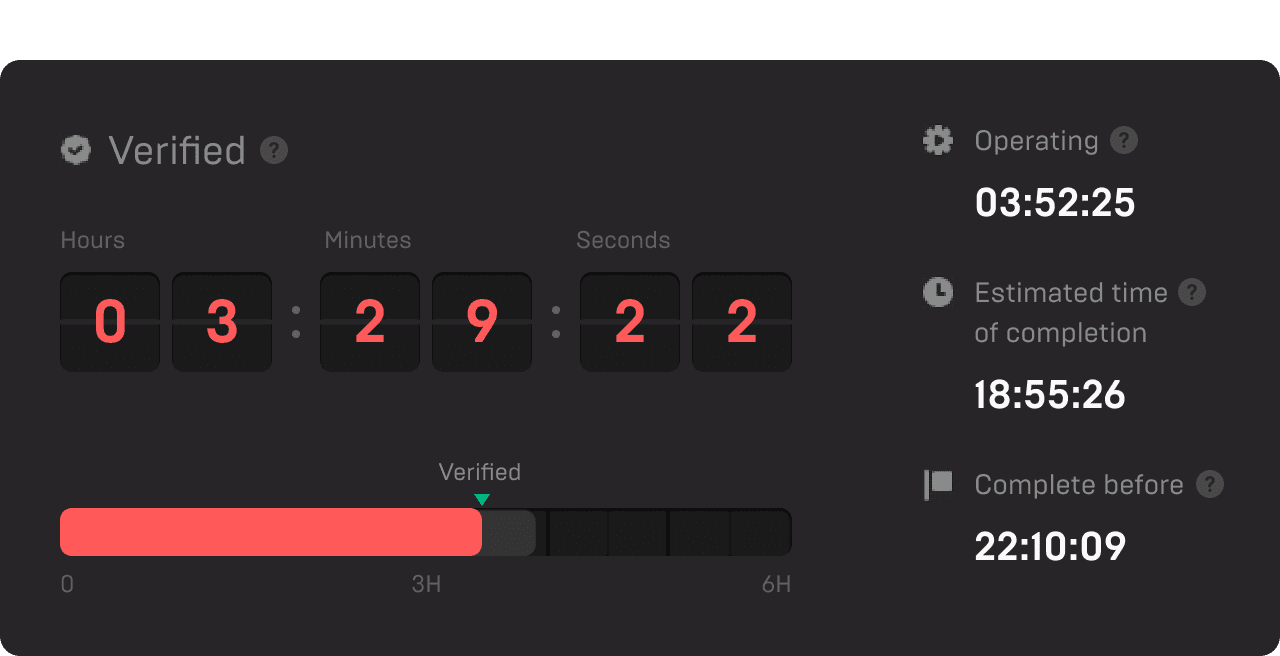





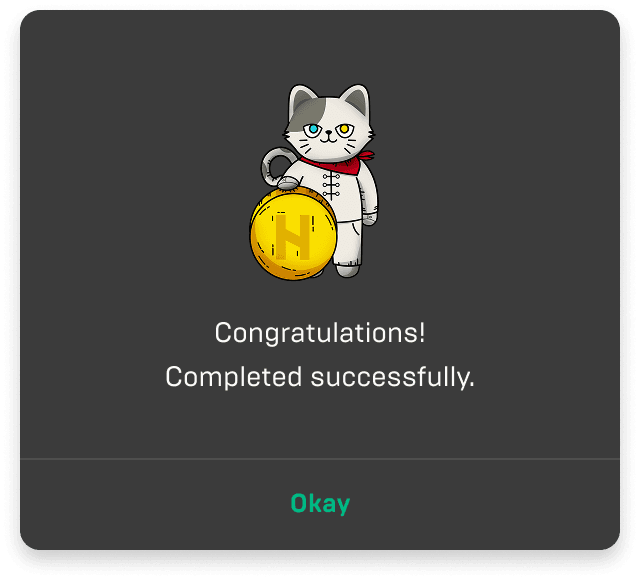
Emotional safety cues through consistent state semantics and friendly completion feedback, reducing anxiety while maintaining clear visibility of operational risk.
*These cues were intentionally paired with unchanged warning colors and timers, ensuring emotional relief never masked actual operational risk.
Observed outcomes
Reduced user confusion at irreversible decision points
Lowered support inquiries related to reward eligibility
Increased confidence for non-technical operators
Impact
Based on internal QA and pre-launch usability testing, the final product resulted in approximately 21% fewer UI-related support inquiries than initially anticipated, by clarifying protocol states and reward conditions before execution.
HAVAH Scan
Blockchain Explorer
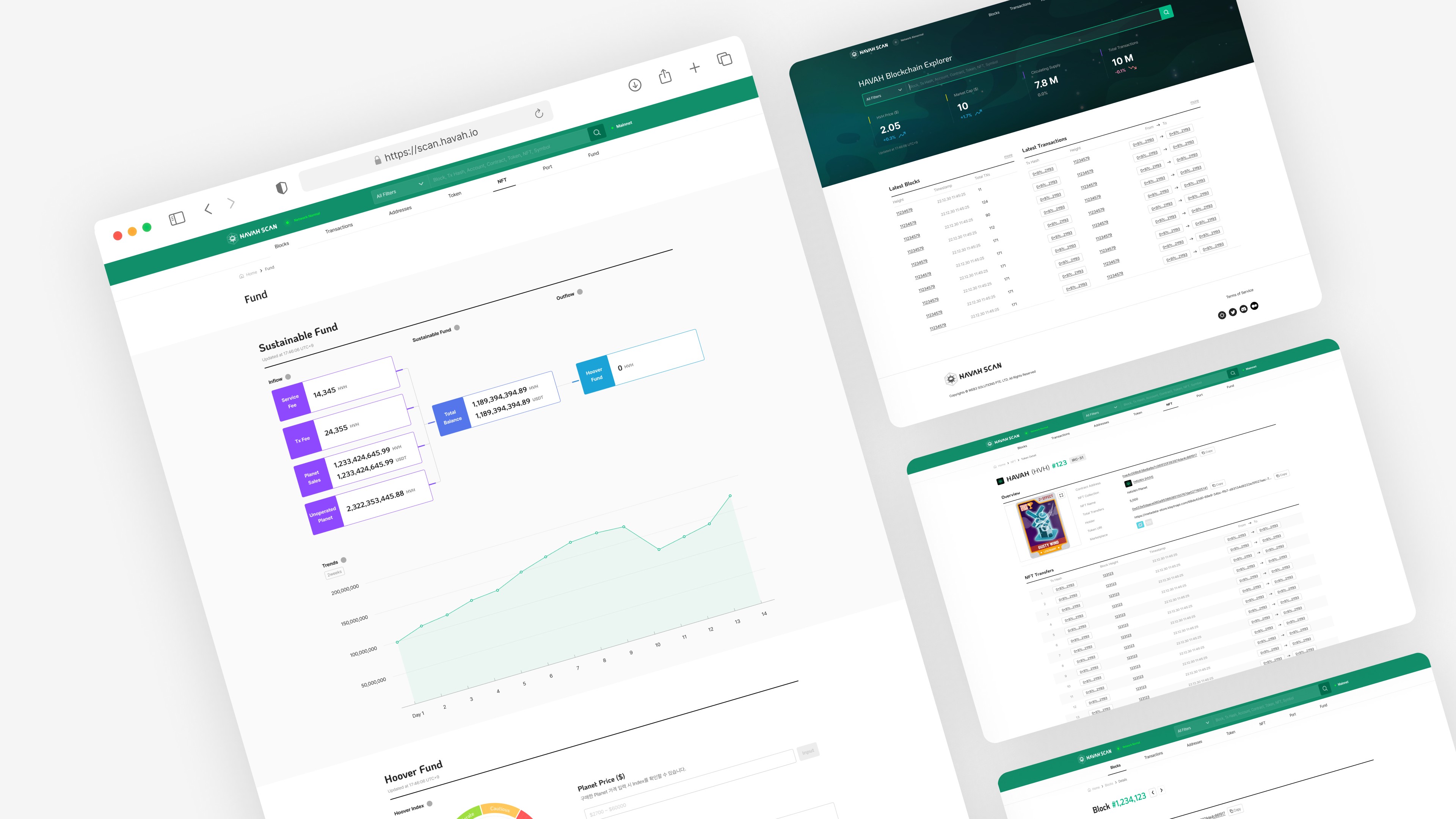
HAVAH Scan is the blockchain explorer for the HAVAH network, exposing real-time on-chain data such as blocks, transactions, validators, and network status to users, developers, and internal operators.
My role focused on designing information architecture and interaction patterns that allow protocol behavior to be verified at a glance without interpretation or emotional bias.
Context & Design Intent
At the start of the project, a key request from the product planning team was clear:
Because blockchain concepts are inherently complex, HAVAH Scan maintains a refined, clean visual tone so information feels clear and easy to read.
Rather than adding explanations to compensate for complexity, the design removes visual noise so on-chain data can be read calmly and accurately.
Strategy: Clarity Over Interpretation
To support this intent, the UX strategy prioritized clarity and restraint over expressiveness.
A minimal, neutral visual system to avoid emotional bias in data interpretation
Clear hierarchy and spacing to support scanability in data-dense views
Consistent layout patterns to create predictability and reduce cognitive load
The interface steps back so protocol data can speak for itself.
Design Role Within the HAVAH Ecosystem
While HAVAH Planet Runner was designed to support decision-making and emotional reassurance in high-stakes operational flows, HAVAH Scan was designed to do the opposite: to step back and observe.
Its role is to provide a calm, transparent reference point where users can verify system behavior without friction, guidance, or persuasion. Trust is built not through warnings or confirmations, but through clarity, consistency, and absence of visual interference.
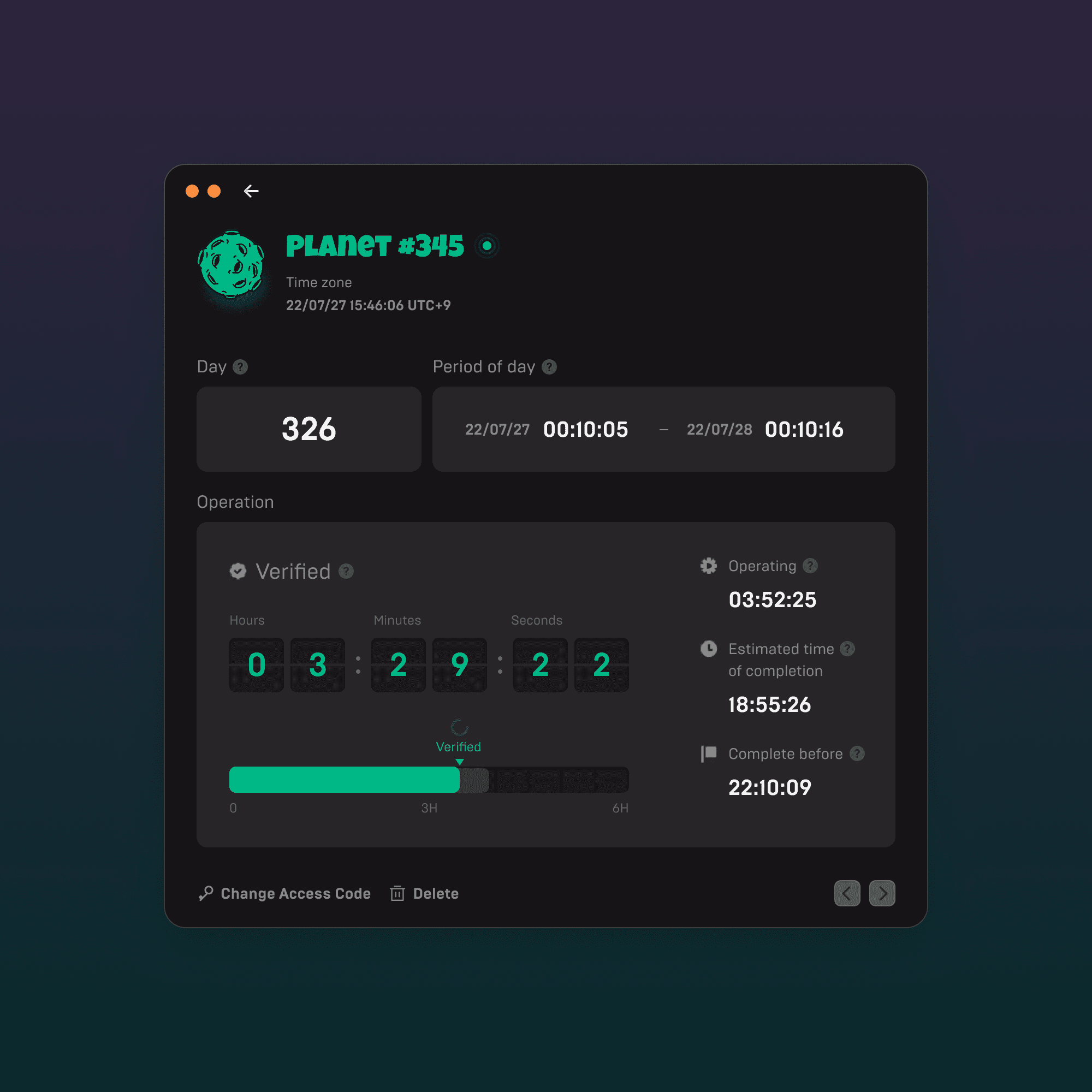
HAVAH Planet Runner
Designed for action, timing, and commitment.
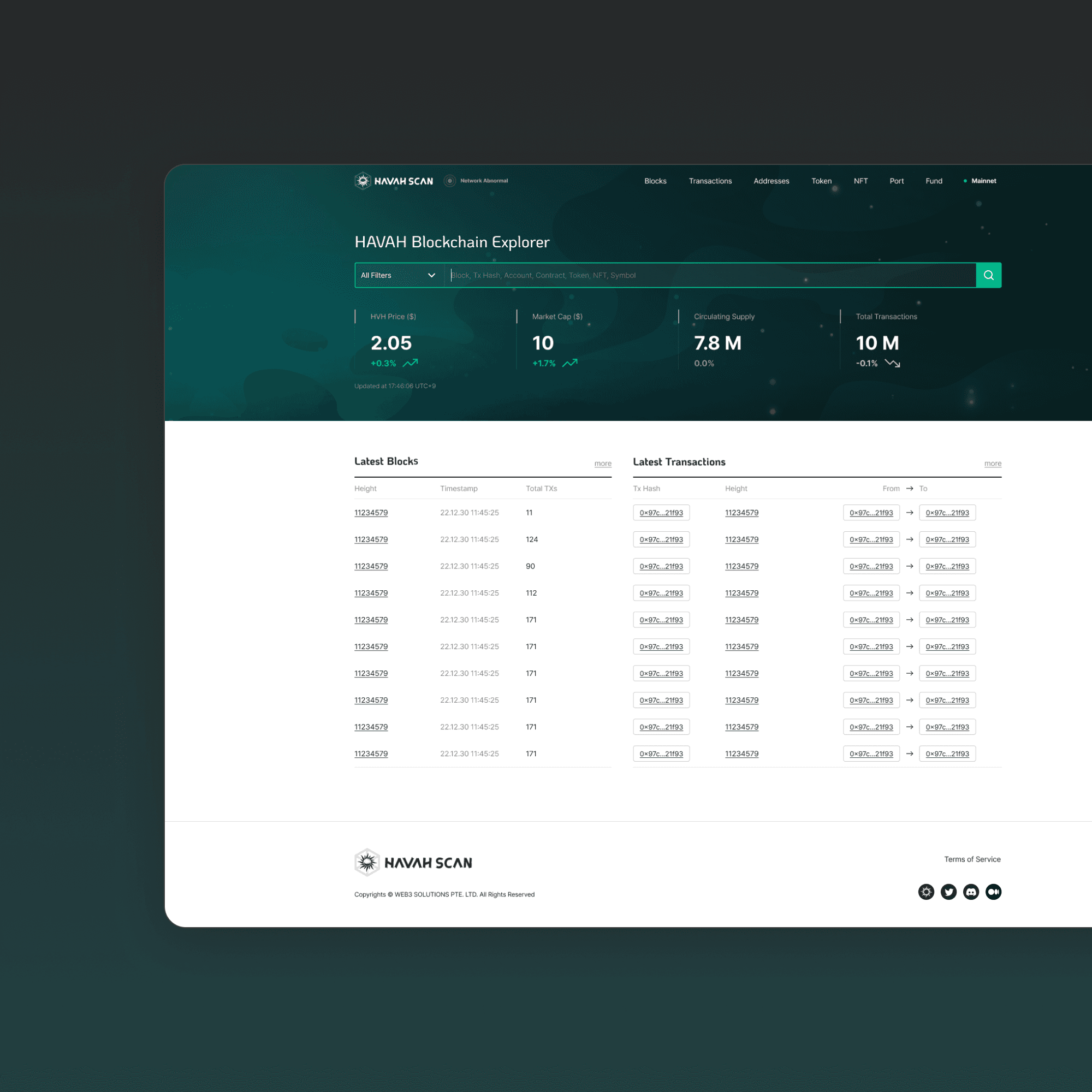
HAVAH Scan
Designed for neutrality and verifiable facts.
UX Focus
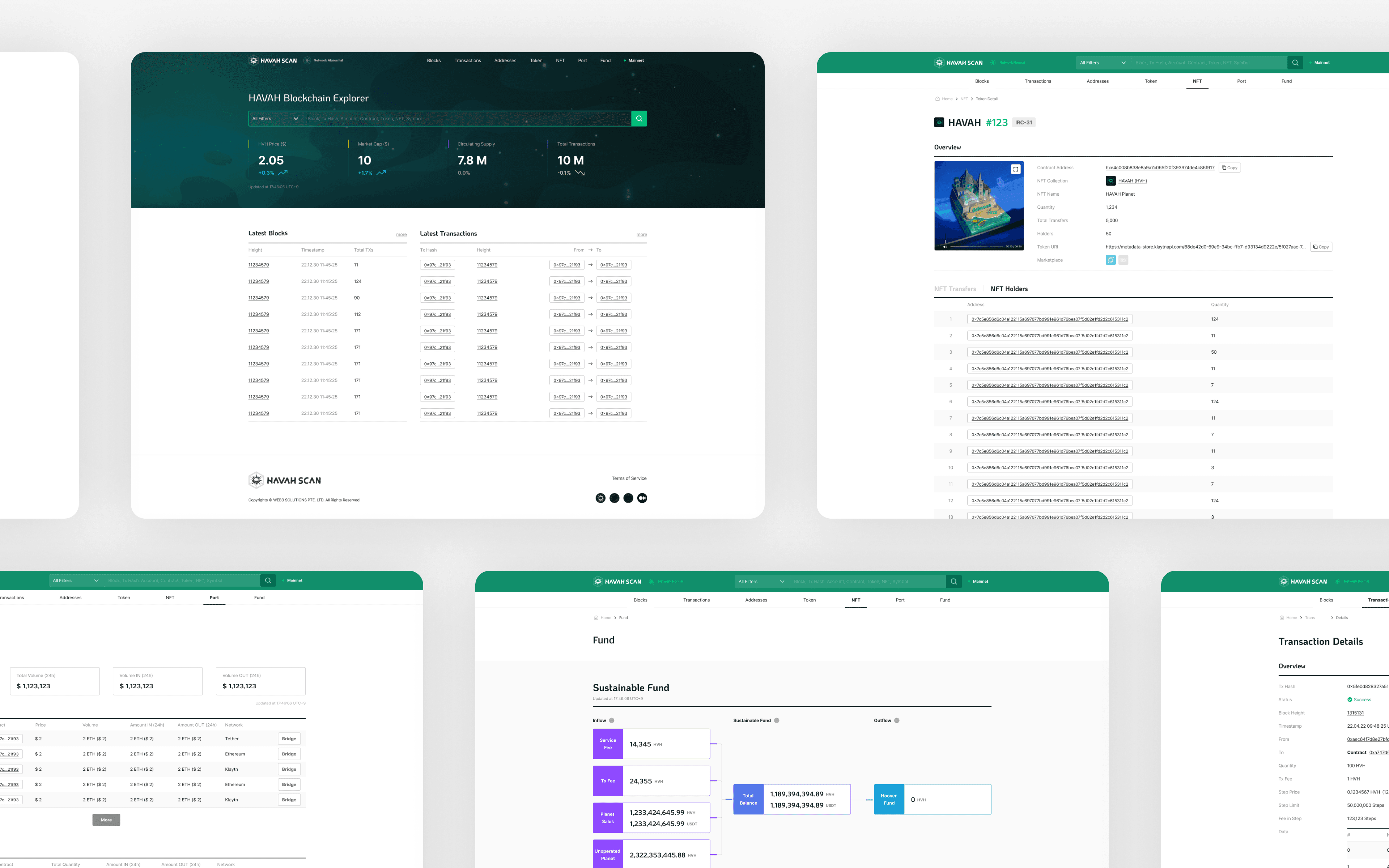
The UX focused on making on-chain data easy to scan and verify, without compromising protocol accuracy.
1
Information hierarchy & scanability
Clear typographic hierarchy, spacing, and alignment support fast scanning across dense, data-heavy tables by separating primary data from supporting metadata.
2
Neutral visual language
A restrained color system avoids emotional signaling and false urgency
Status indicators remain informative, reinforcing trust in data neutrality
Status color is treated as factual output, not an emotional cue.
3
Predictable navigation patterns
Consistent layouts across blocks, transactions, and validators reduce relearning
Navigation preserves user context instead of introducing new interaction patterns.
These decisions enabled confident exploration of the network, even for users without deep blockchain expertise.
Key Problems Addressed
1
Blockchain explorers overwhelm users with raw data
Many existing explorers prioritize completeness over clarity, forcing users to mentally parse dense, unstructured information.
2
Difficulty verifying protocol behavior at a glance
Users struggled to confirm whether transactions, validators, or blocks were behaving as expected without deep technical interpretation.
3
Loss of trust caused by visually noisy interfaces
Highly expressive UI elements can unintentionally imply instability or risk in otherwise normal protocol states.
Key Problem 1
Raw blockchain data lacks legible structure and hierarchy
As a result, users are required to interpret raw protocol data manually, increasing cognitive load and slowing verification.
Design response:
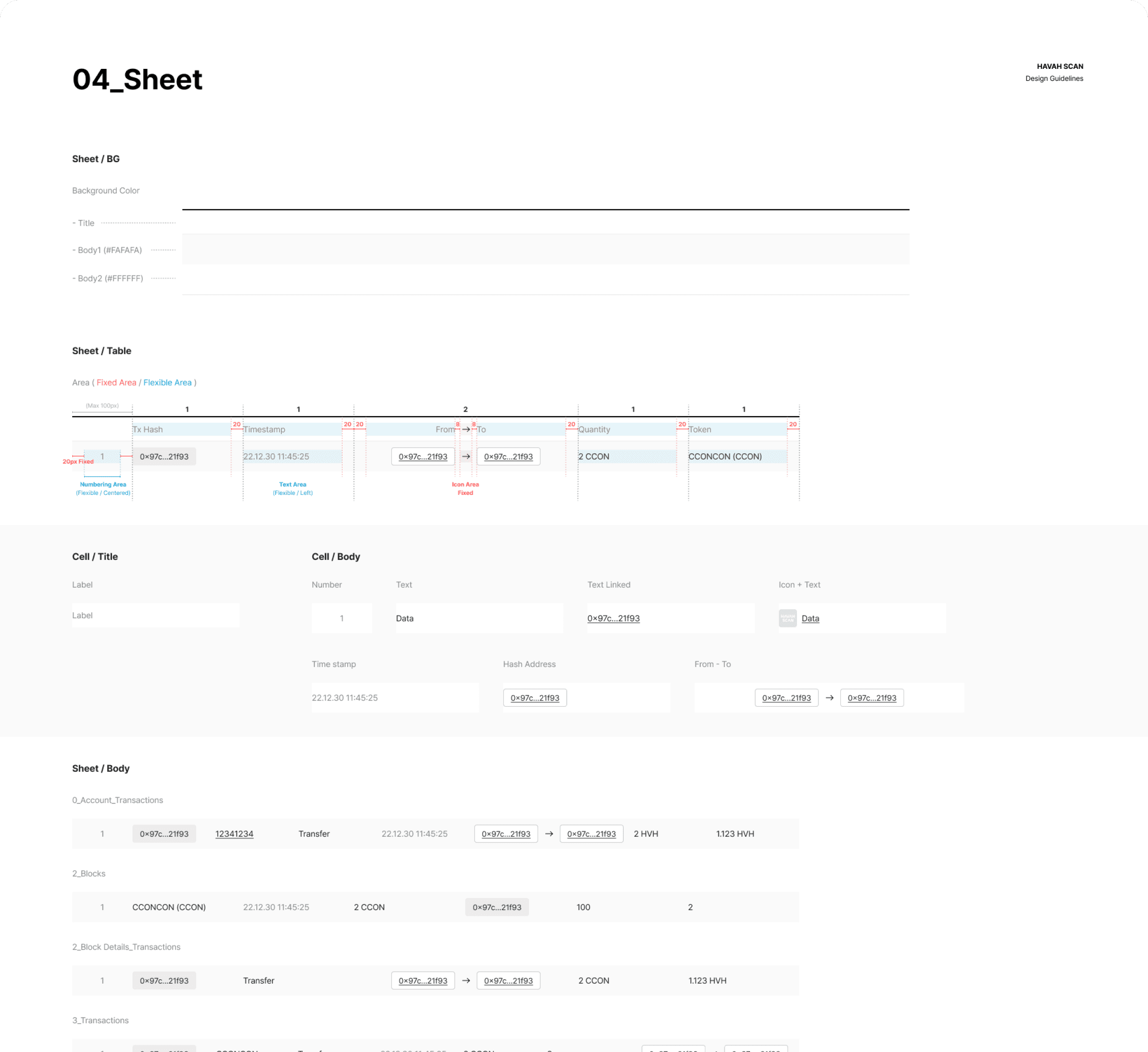
Explicit hierarchy and spacing rules ensured that primary protocol signals remain visually dominant, enabling faster scanning with minimal interpretation.
A reusable table system defining fixed and flexible data regions for consistent, scannable on-chain views.
Key Problem 2
Difficulty verifying protocol behavior at a glance
Users struggled to quickly determine whether transactions, validators, or blocks were behaving as expected, often requiring deep technical interpretation.
Design response:
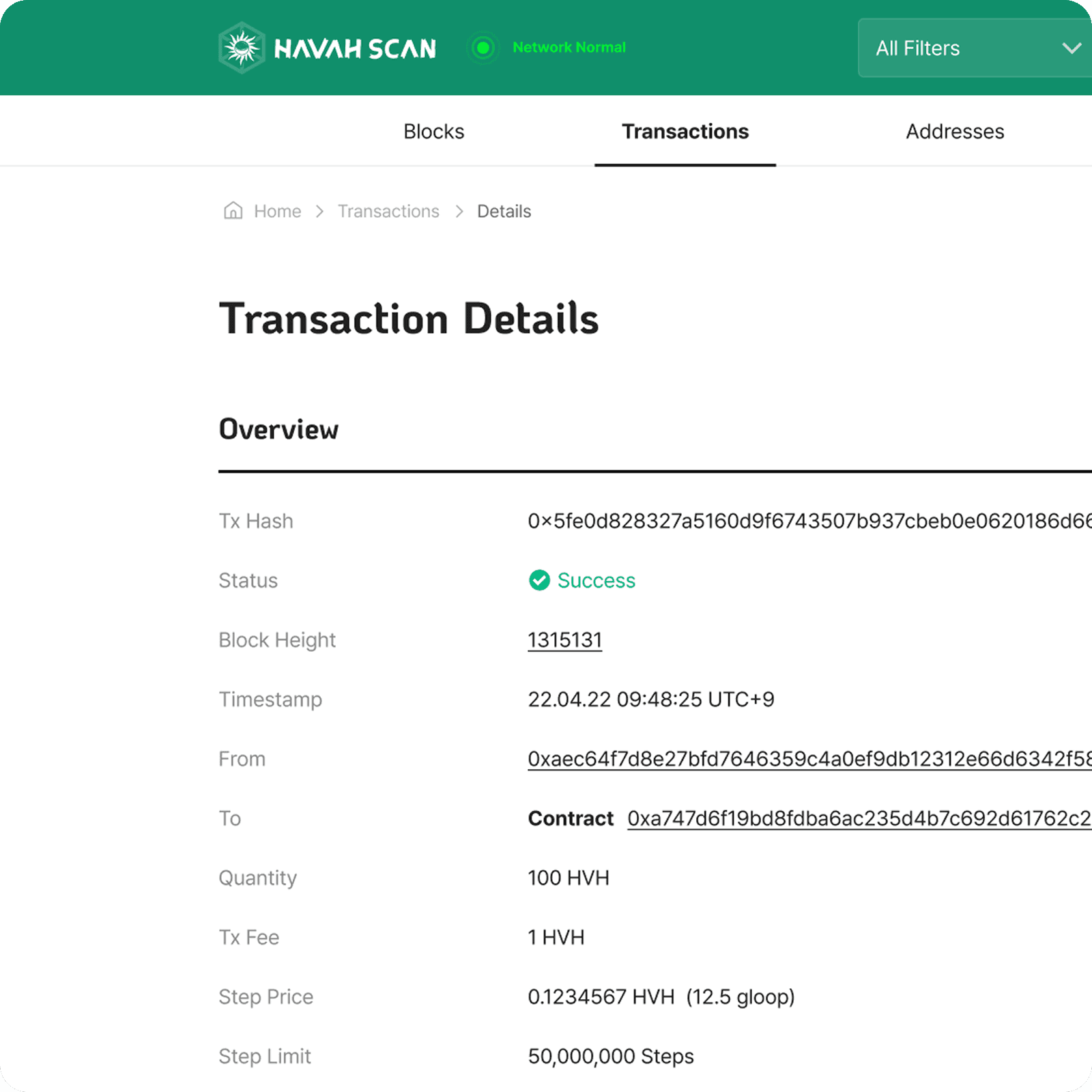
Clear status labels, consistent positioning, and real-time updates enabled immediate verification without additional explanation layers. Users could confirm abnormal behavior without drilling into raw transaction logs.
Key Problem 3
Loss of trust caused by visually noisy status signaling
Highly expressive UI elements can unintentionally imply instability or risk in otherwise normal protocol states, leading users to question system reliability even when protocol behavior is normal.
Design response:
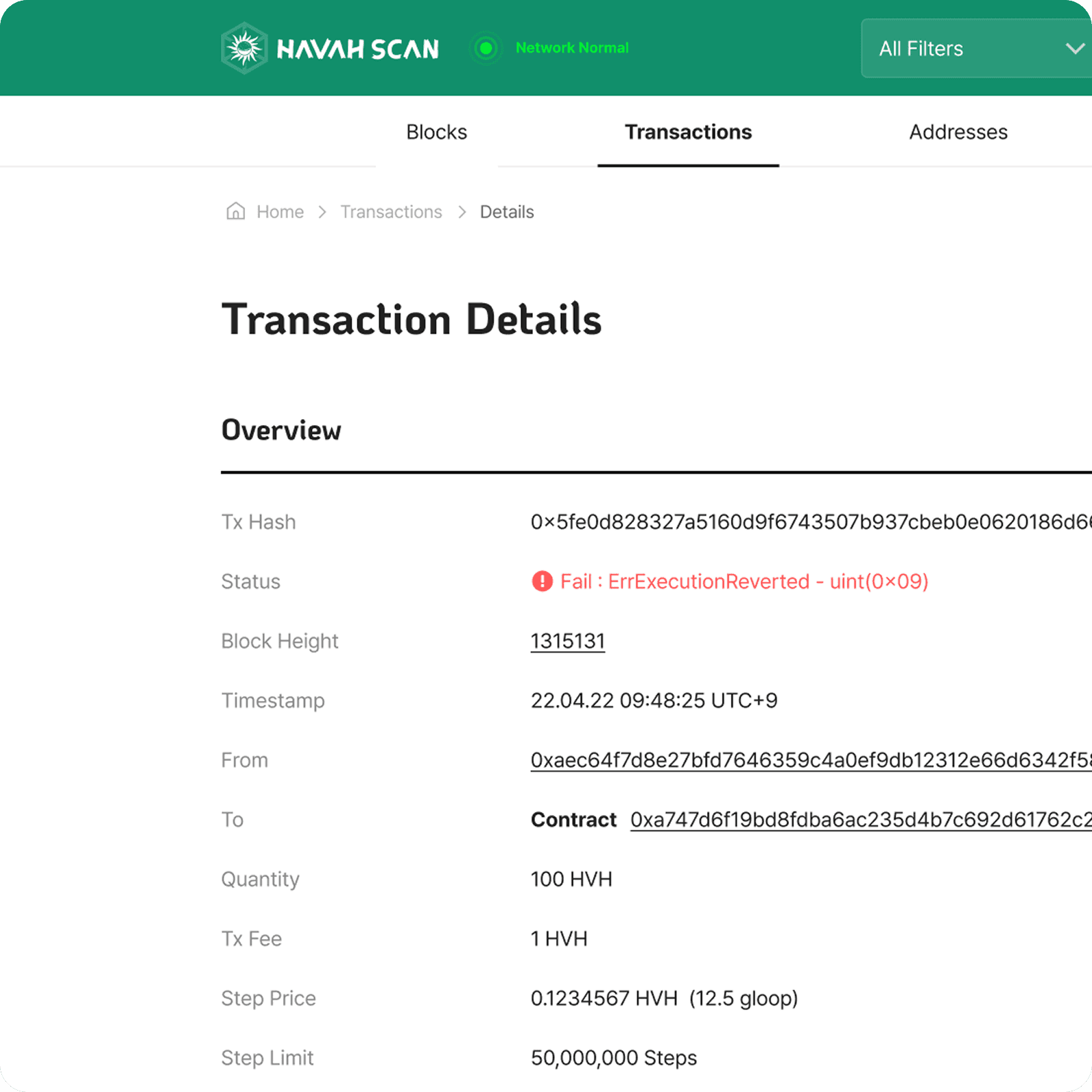
A deliberately quiet UI that minimizes visual interference and emotional signaling, ensuring protocol states are perceived as stable unless evidence indicates otherwise.
Identical layout, different outcomes without visual escalation.
Observed outcomes
Improved readability and scan efficiency across data-dense views
Reduced friction for non-technical users verifying on-chain activity
Increased internal adoption of HAVAH Scan as a reference tool for QA and operations
Impact
By prioritizing clarity, restraint, and hierarchy, HAVAH Scan became a stable reference surface within the ecosystem, supporting transparency and trust through consistency and unembellished data presentation.
Where Planet Runner focused on decision confidence, HAVAH Scan focused on verification confidence.
Thank you.
It shows my approach to designing clarity, trust, and decision-making into complex systems.